
Recent events in Nairobi, including reports of windows shattering after a low-flying military jet during a national flypast, have reignited conversations around building resilience in dense urban environments. While such occurrences are rare, they highlight an important but often overlooked fact: glass is one of the most vulnerable components of a building envelope.
In fast-growing cities like Nairobi, Mombasa, Kisumu, and Nakuru, buildings are increasingly exposed to vibration, pressure waves, wind loads, and environmental stress. Whether caused by aircraft flyovers, heavy traffic, nearby construction, or extreme weather, these forces test the limits of conventional glass installations.
Protect Your Home or Business with Tough, Durable Glass!
Upgrade to toughened or laminated glass today and enjoy enhanced safety, strength, and style.
📞 Call us now: 0722 724 893
📍 Visit us: Golden Moon Star Building, Ground Floor, Junction of Kilimani Rd & Ndemi Rd, Kilimani
📧 Email: info@toughglasskenya.com
Don’t wait for accidents — secure your windows and façades with Tough Glass Kenya!
How Pressure and Vibration Affect Glass In Nairobi Kenya
Glass behaves differently from masonry or concrete. It is rigid and brittle by nature, meaning sudden pressure changes or vibrations can lead to cracking or complete failure, especially when:
- Glass thickness is insufficient
- Frames are poorly installed
- Inferior or annealed glass is used
- The building is older or has structural movement
High-energy sound waves and vibrations can cause windows to flex rapidly. When the stress exceeds the glass’s tensile strength, breakage occurs instantly.
This is why glass choice should never be based on appearance alone.
Standard Glass vs Toughened Glass in Nairobi Kenya: What’s the Difference?
Annealed (Standard) Glass
- Breaks into large, sharp shards
- Poor resistance to shock and vibration
- Higher risk of injury and property damage
Toughened (Tempered) Glass
- Up to 5x stronger than annealed glass
- Designed to withstand pressure, vibration, and impact
- Breaks into small, less harmful granules
Laminated Glass in Nairobi Kenya
- Two or more glass layers bonded with an interlayer
- Holds together even when shattered
- Ideal for high-risk or high-traffic areas
For modern Kenyan buildings, toughened and laminated glass are no longer luxury options — they are safety requirements.
Why Nairobi Kenyan Buildings Need Stronger Glass Today
Several trends are increasing the demand for high-performance glass in Kenya:
1. Denser Urban Construction
Buildings are closer together, amplifying vibration transfer from traffic, machinery, and nearby developments.
2. Larger Glass Surfaces
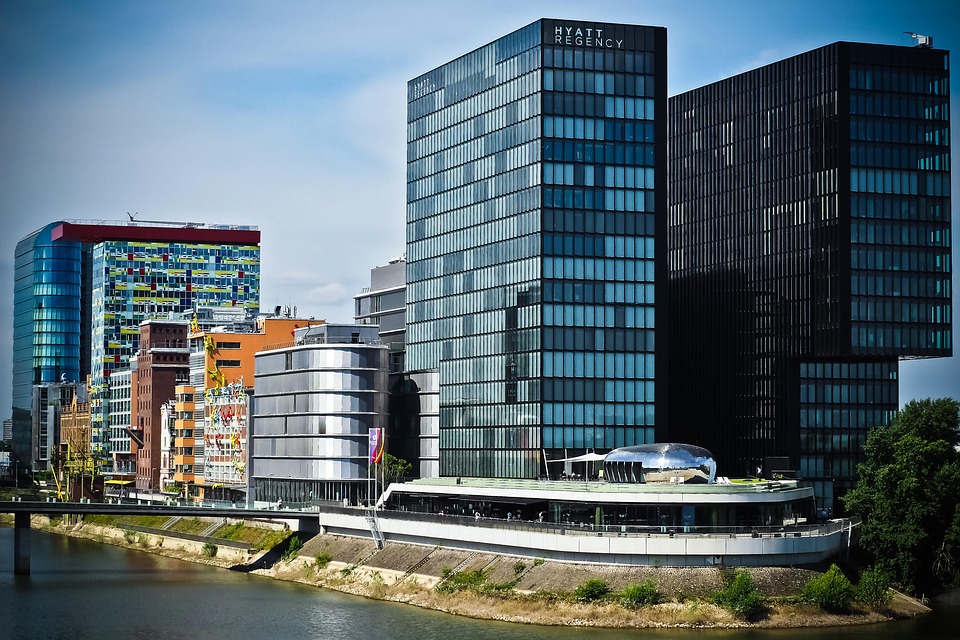
Modern architecture favours large windows, curtain walls, and glass façades, which require higher structural performance.
3. Environmental Stress
Wind pressure, heat expansion, and seasonal weather changes place continuous stress on glass installations.
4. Public Safety and Liability
Glass failure can lead to injuries, insurance claims, and legal exposure for property owners and developers.
Where Toughened Glass Is Most Critical
- Apartment balconies and railings
- Commercial façades and shop fronts
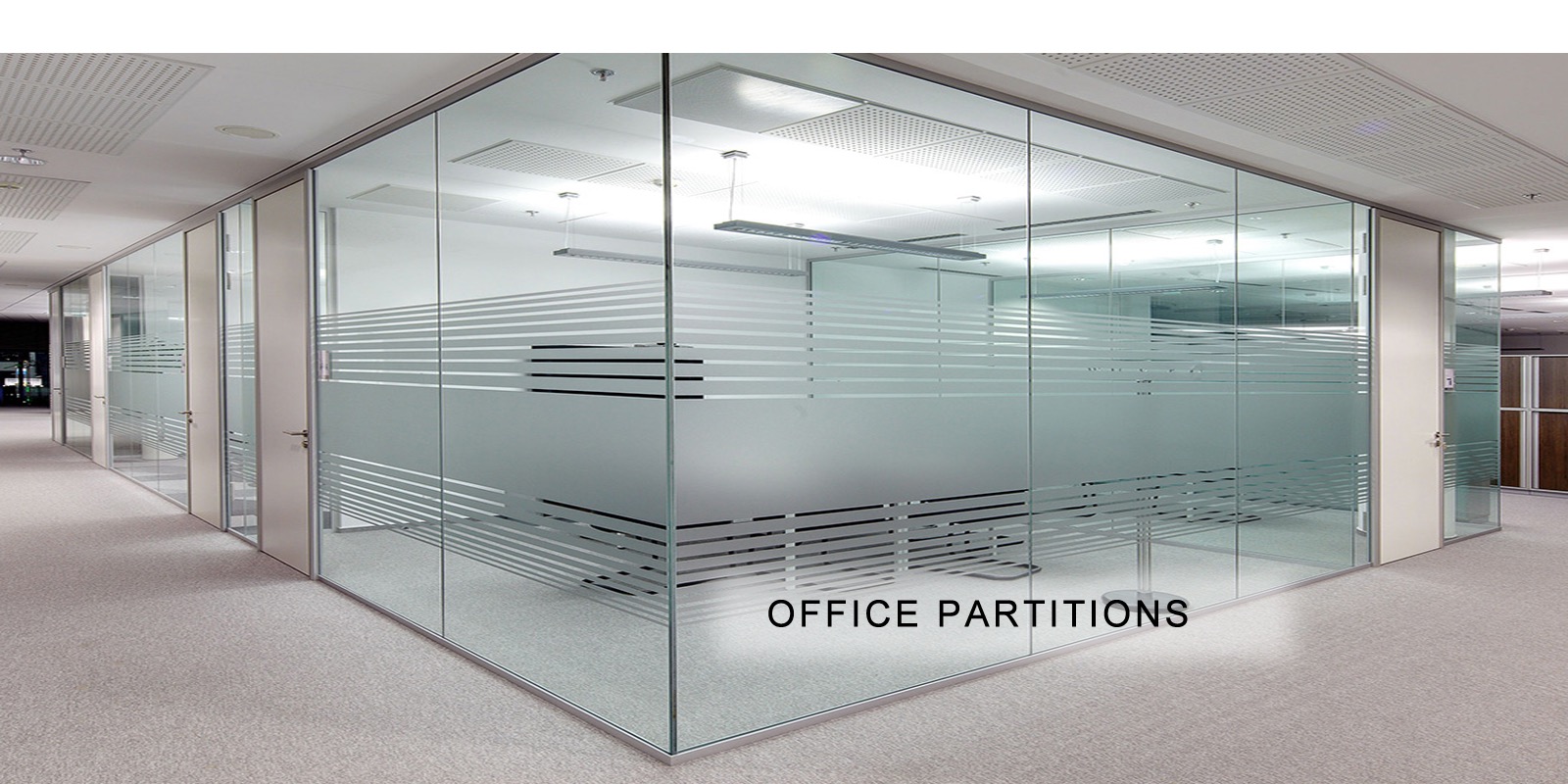
- Office partitions and curtain walls
- Staircases and glass doors
- Buildings near highways, airports, or industrial zones
In these applications, using standard glass increases long-term risk and maintenance costs.
Installation Quality Matters as Much as the Glass Itself
Even the best glass can fail if installation is poor. Key factors include:
- Proper edge clearance
- Correct framing systems
- Quality sealants and fittings
- Allowance for building movement
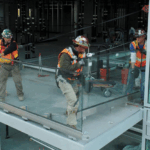
Professional installation ensures glass can absorb pressure and vibration without concentrating stress at weak points.
Building for Resilience, Not Just Appearance
The Nairobi flypast incident serves as a reminder that unexpected forces can act on buildings at any time. While not everyday events, they expose weaknesses that already exist due to inferior materials or shortcuts during construction.
Choosing the right glass today protects:
- Occupants
- Property value
- Long-term maintenance budgets
At Tough Glass Kenya, we focus on durable, safety-driven glass solutions suited for Kenya’s evolving urban environment — where strength matters as much as style.
Stronger Glass for a Stronger City
As Kenyan cities grow taller, denser, and more dynamic, glass must evolve from a decorative element to a structural safety component. Toughened and laminated glass provide the resilience modern buildings require — not just for rare incidents, but for everyday urban stress.
Building smart starts with choosing glass that can handle real-world conditions.