As Nairobi evolves into a global city, its architecture is shifting toward innovative, high-impact design features. One trend gaining momentum is the use of glass skywalks and bridges as functional and aesthetic elements in public, commercial, and institutional buildings. From shopping malls to airports and corporate campuses, these transparent walkways enhance connectivity, offer panoramic views, and project modern structural sophistication.
In this article, we explore how glass skywalk Nairobi projects are redefining urban spaces, the engineering behind structural glass bridges Kenya, and best-practice considerations for glass walkway installation Nairobi.
Bring Innovation & Style to Your Space
Upgrade your home or office with premium glass installations in Kenya — from frameless doors and partitions to shower cubicles and balustrades — built for durability, safety, and modern design.
📞 0722 724 893
📍 Golden Moon Star Building, Kilimani
📧 info@toughglasskenya.com
Partner with Tough Glass Kenya — leaders in glass installations for homes and offices in Kenya
What Are Glass Bridges and Skywalks?

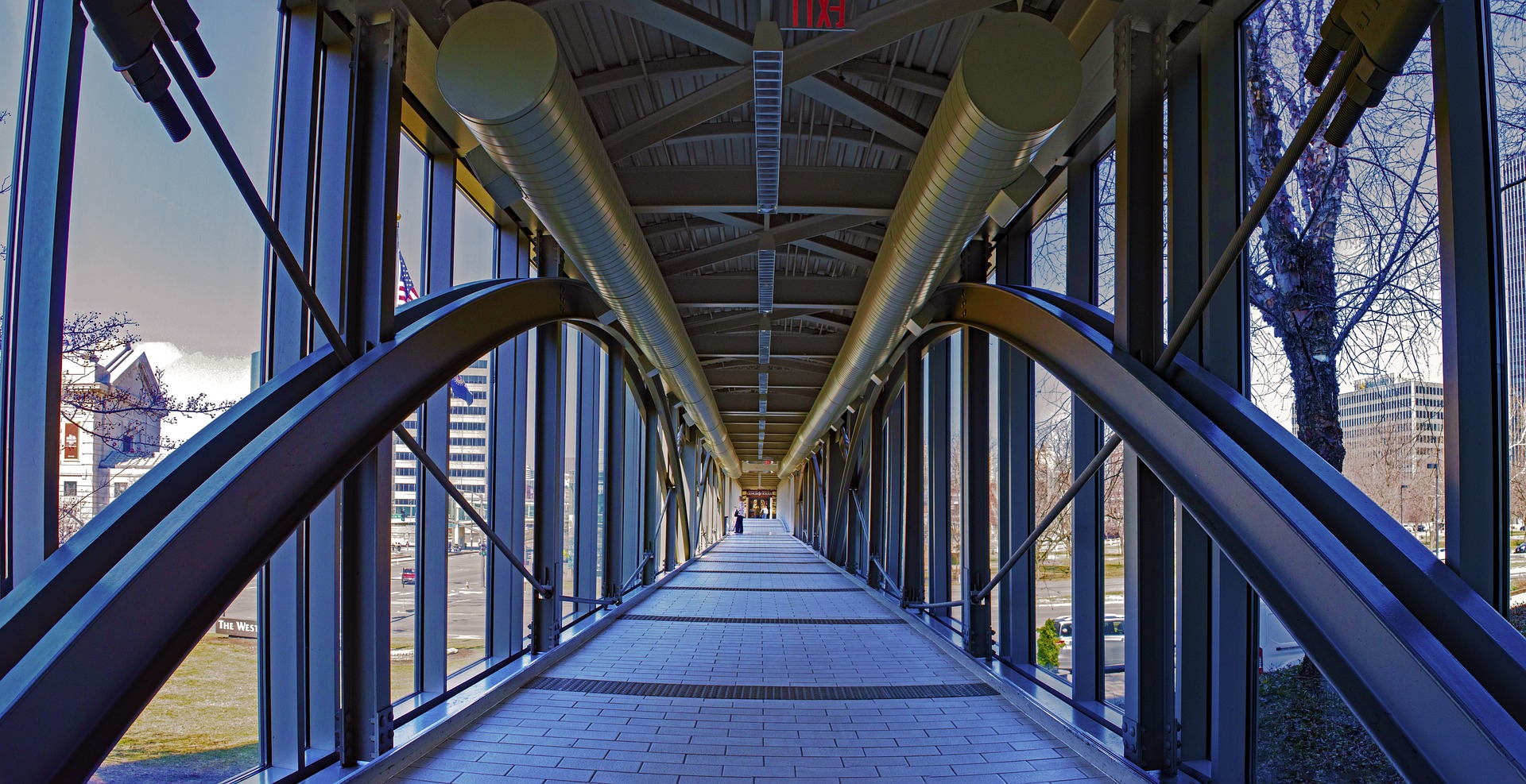
Glass bridges and skywalks are elevated pedestrian passages constructed with structural glass elements. Unlike conventional walkways made of steel or concrete, these structures use reinforced glass panels as both flooring and barriers, supported by engineered framing systems. The result is an airy, light-filled pathway that feels visually unobstructed and modern.
Well-designed glass bridges combine aesthetics with strength, safety, and durability — a hallmark of contemporary architectural expression.
Why Glass Skywalks Are Gaining Popularity in Nairobi
Nairobi’s growth into a dynamic commercial hub, expanding retail districts, and demand for high-end integrated developments has created ideal conditions for glass skywalks. Here’s why they are trending:
- Urban connectivity: Glass skywalks link different parts of multi-storey complexes (e.g., malls, office towers, parking structures) without disrupting ground-level circulation.
- Enhanced visibility: Transparent walkways allow pedestrians to enjoy views of the city skyline and internal environments — a strong experiential advantage for retail and commercial real estate.
- Modern design appeal: Glass structures signal innovation, attracting premium tenants and reinforcing building prestige.
- Natural lighting: Glass bridges flood interiors with daylight, reducing the need for artificial lighting during the day.
Engineering a Structural Glass Bridge in Kenya
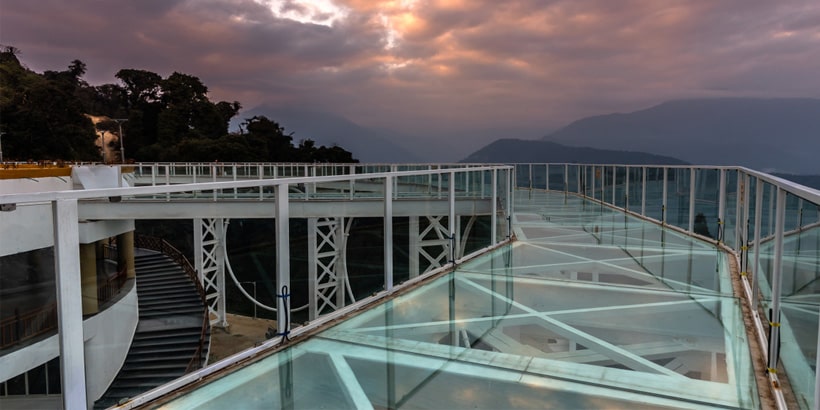
Creating a structural glass bridge Kenya project requires multidisciplinary expertise in architecture, structural engineering, and materials science. The key elements include:
1. Load-Bearing Glass Panels
Unlike decorative glass, structural glass is engineered to bear loads — including pedestrian weight, dynamic movement, and environmental forces (wind, thermal expansion).
- Typically made of toughened and laminated glass for redundancy and safety
- Designed to meet or exceed local and international building codes
2. Support Framing Systems
Glass bridges often employ discreet support systems, such as steel beams or tension cables, which allow large glass spans without bulky framing that disrupts transparency.
3. Safety and Redundancy
Safety is critical: structural glass bridges use multiple laminated layers so that, if one layer fails, others continue to support the load while minimizing risk of catastrophic breakage.
4. Thermal and Acoustic Considerations
High-performance glass helps manage solar heat gain — particularly relevant in Nairobi’s equatorial climate — and can reduce noise levels in busy urban environments.
Applications: Where Glass Walkways Excel
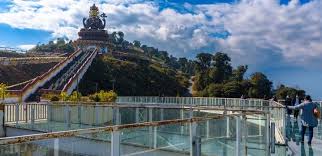
A. Retail Complexes and Malls
Glass skywalks elevate the visitor experience by connecting different wings or levels of a mall. Shoppers enjoy unobstructed views of stores, atriums, and lighting features — making circulation part of the experience rather than just a means of movement.
B. Airport Terminals
In transport hubs, transparent bridges improve wayfinding and strengthen the perception of openness, reducing stress for travelers. Nairobi’s aviation growth makes this application particularly relevant for future terminal designs.
C. Corporate Campuses
For professional campuses and mixed-use developments, glass bridges connect workspaces while maintaining sightlines, daylight access, and a sense of community.
Best Practices for Glass Walkway Installation in Nairobi
A successful glass walkway installation Nairobi project aligns design intent with practical execution. Key best practices include:
- Early structural review: Engage engineers at the conceptual stage to ensure load paths and safety criteria are met.
- Quality glass selection: Choose laminated, tempered glass with certified performance data.
- Professional installation teams: Specialized installers ensure precise alignment, sealing, and connection with other building systems.
- Maintenance planning: Glass bridges require regular inspection to maintain clarity, drainage, and seal integrity.
Challenges and Solutions
Environmental Loads
Issue: Nairobi can experience sudden temperature variations and wind forces at elevated levels.
Solution: Engineer expansion joints and thermal breaks into framing systems; use high-performance seals.
Safety Regulation Alignment
Issue: Evolving local codes may not be specific to structural glass bridges.
Solution: Reference international standards (e.g., ISO, EN, ASTM) and collaborate with local authorities for approvals.
Glass bridges and skywalks represent the future of urban architecture in Kenya. With a blend of structural strength, visual transparency, and experiential design, these elements elevate not only physical connectivity but also the identity of buildings in Nairobi’s skyline.
Whether you are planning a glass skywalk Nairobi installation for a mall, airport, or corporate campus, successful execution depends on thoughtful engineering, quality materials, and expert installation. As Kenyan architecture continues to embrace innovation, structural glass bridges Kenya will remain a signature feature of modern development.