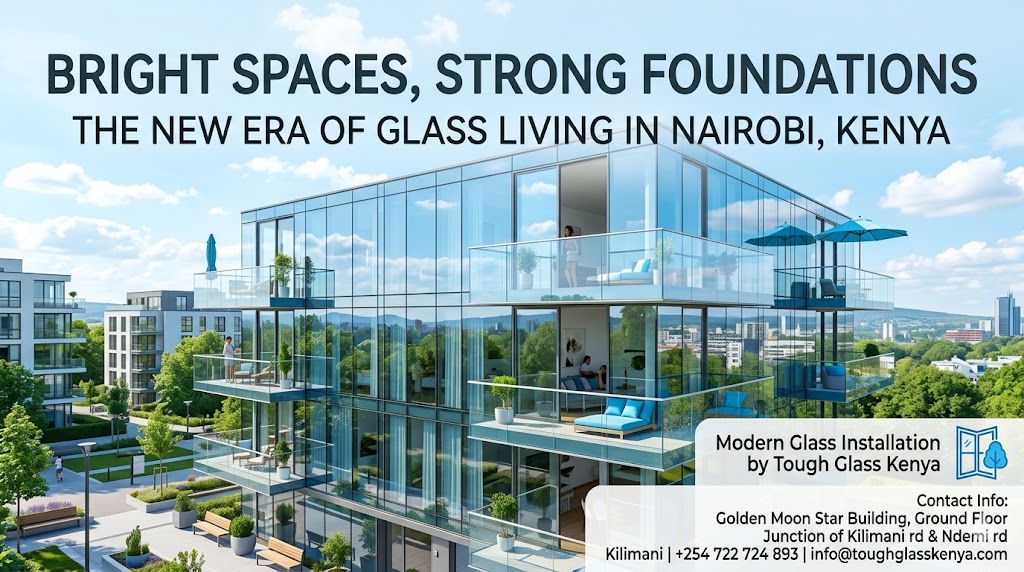
Nairobi’s architectural identity is evolving at a remarkable pace. What once leaned heavily toward enclosed, concrete-heavy structures is now shifting toward open, light-filled, and visually fluid spaces. Across Westlands, Kilimani, Lavington, Kileleshwa, Ruaka, and Kiambu Road, glass is no longer just a finishing material—it is becoming a defining feature of modern living and commercial design.
At the center of this shift is a growing demand for toughened glass solutions in Nairobi, Kenya, driven by developers, homeowners, and commercial builders who want buildings that feel brighter, more spacious, and more modern. In this transformation, companies like Tough Glass Kenya are playing a key role in delivering durable, functional, and aesthetically refined glass installations suited for today’s construction needs.
This is not just a design trend. It is a structural and lifestyle shift in how Kenya is building its future.
The Rise of Glass Living in Nairobi, Kenya
Over the last decade, Nairobi has experienced a construction boom fueled by real estate expansion, infrastructure development, and rising urban middle-class demand. Alongside this growth, architectural preferences have changed significantly.
Modern buyers no longer want dark, segmented interiors. Instead, they prefer:
- Open-plan living spaces
- Natural lighting throughout the home
- Minimalist architectural finishes
- Seamless indoor-outdoor transitions
This shift has made architectural glass in Nairobi Kenya a central feature in both residential and commercial developments.
From luxury apartments in Kilimani and Westlands to gated community homes in Kiambu and Athi River, developers are increasingly incorporating glass as a structural and aesthetic material rather than a decorative one.
Why Glass is Redefining Modern Construction in Kenya
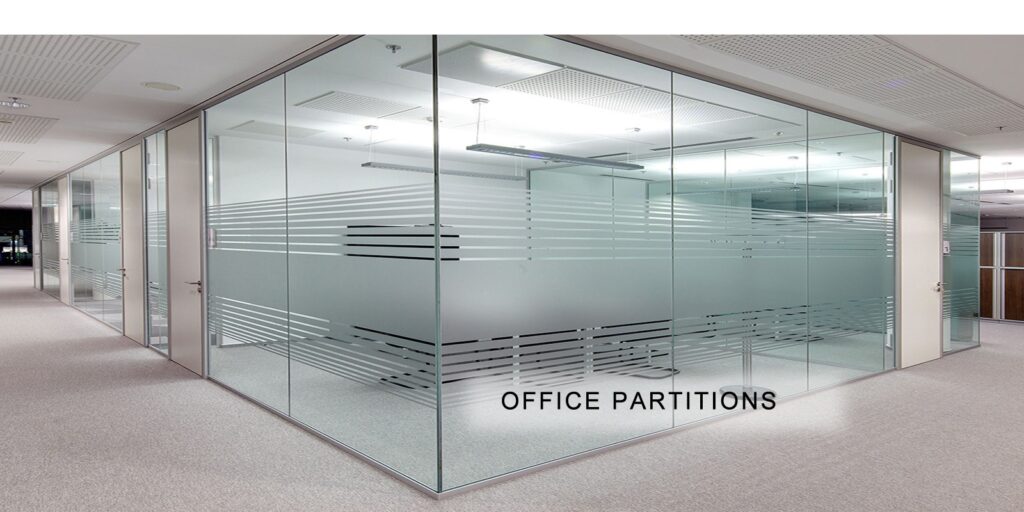
Glass is no longer viewed as fragile or purely decorative. With advancements in engineering, especially in toughened and tempered glass technology, it has become one of the most reliable materials in modern construction.
1. Natural Light and Energy Efficiency
One of the strongest drivers of glass adoption in Nairobi is the demand for natural lighting. Large glass windows and partitions reduce reliance on artificial lighting during the day, improving:
- Energy efficiency
- Indoor comfort
- Property value perception
In commercial buildings, this translates into reduced operational costs and improved workplace productivity.
2. Modern Aesthetic Appeal
Glass creates a sense of space even in compact urban homes. This is especially important in Nairobi’s high-density neighborhoods where land is expensive and vertical construction is increasing.
Features such as:
- Frameless glass doors in Nairobi apartments
- Glass balcony railings in luxury developments
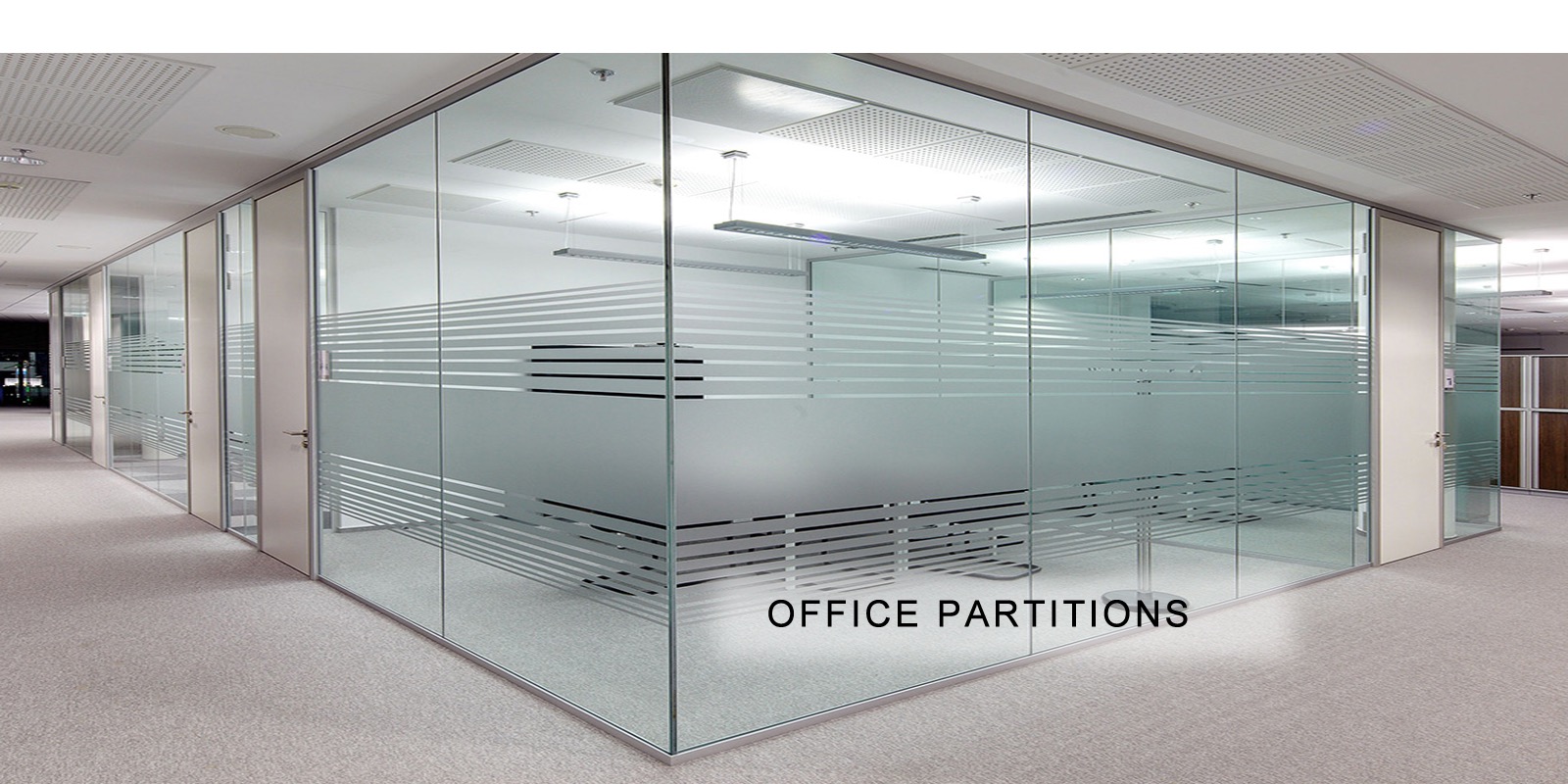
- Office glass partitions in commercial spaces
are now associated with premium design and modern living standards.
3. Safety and Durability with Toughened Glass
A major misconception is that glass is fragile. In reality, toughened glass in Kenya is engineered to be significantly stronger than standard glass.
It is:
- Heat-treated for strength
- Resistant to impact
- Safer when broken (shatters into blunt pieces instead of sharp shards)
This makes it suitable for:
- High-rise buildings
- Office spaces
- Balcony railings
- Shower enclosures
- Shopfronts and commercial facades
This evolution in material strength has made glass a trusted choice in modern Kenyan construction.
Key Applications of Glass in Nairobi’s Construction Sector
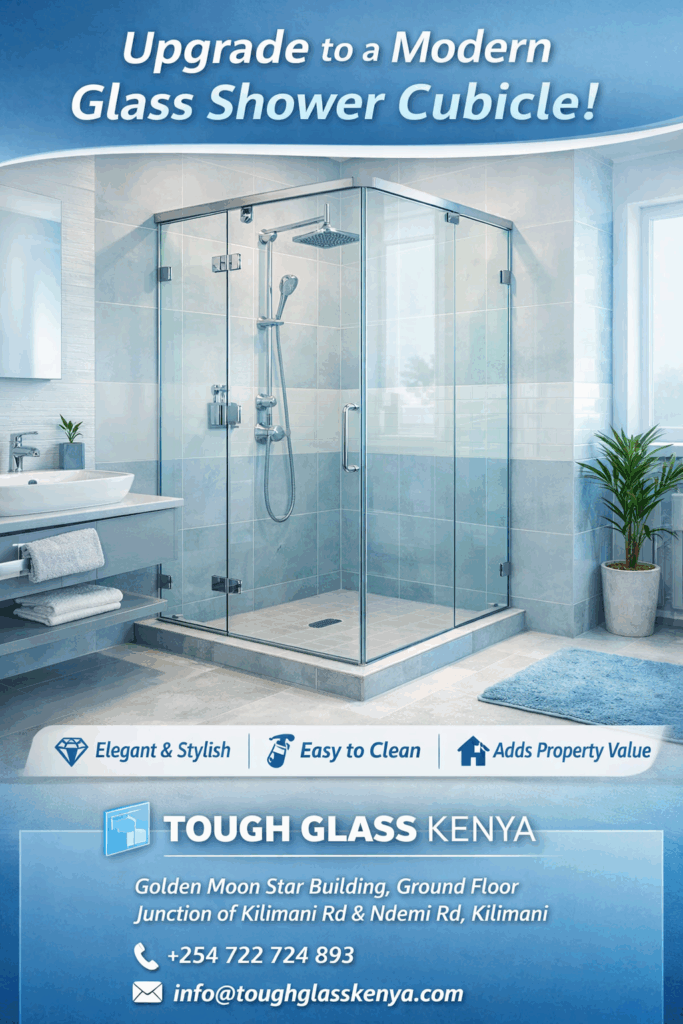
The use of glass in Kenya has expanded far beyond windows. Today, it is a core design and structural component in multiple areas.
1. Residential Architecture
In modern homes and gated communities, glass is used for:
- Sliding doors opening to gardens and balconies
- Staircase railings for visual openness
- Bathroom shower enclosures
- Large panoramic windows
This aligns with the growing trend of modern home design in Kenya, where openness and light are key design principles.
2. Commercial Buildings
In Nairobi’s commercial hubs such as Upper Hill and Westlands, glass is essential for:
- Office partitions
- Conference room enclosures
- Building façades
- Reception areas
Glass helps companies project a professional, transparent, and modern identity while maximizing usable space.
3. Retail and Hospitality Spaces
Restaurants, hotels, and retail outlets increasingly use glass to create:
- Inviting storefronts
- Luxurious interiors
- Open dining experiences
- Strong brand visibility
In competitive urban markets, visibility and aesthetic appeal directly influence customer behavior.
Glass and the Growth of Nairobi’s Real Estate Market

The Kenyan real estate sector is undergoing a strategic shift. Buyers are now more informed and design-conscious, especially in Nairobi’s middle and upper-income segments.
Developers are responding by integrating:
- Energy-efficient materials
- Modern architectural designs
- Smart space utilization strategies
Glass plays a central role in this evolution.
In luxury apartments in Nairobi Kenya, glass features are no longer optional—they are expected. Similarly, in gated community developments, glass is being used to enhance both security visibility and architectural elegance.
The Role of Tough Glass Kenya in Modern Construction
As demand for high-quality architectural glass grows, reliable suppliers and installers are becoming essential in Kenya’s construction ecosystem.
Tough Glass Kenya provides solutions that align with the needs of:
- Residential homeowners
- Real estate developers
- Architects and interior designers
- Commercial builders
Their focus on toughened glass installation in Nairobi Kenya supports projects that require both durability and modern design precision.
From glass balcony railings and frameless shower enclosures to large commercial glass partitions, the emphasis is on delivering materials that meet both safety standards and aesthetic expectations.
Challenges in the Kenyan Glass Construction Market
Despite strong growth, the industry still faces several challenges:
1. Quality Variation
Not all glass products in the market meet safety or durability standards. This makes supplier selection critical.
2. Installation Expertise
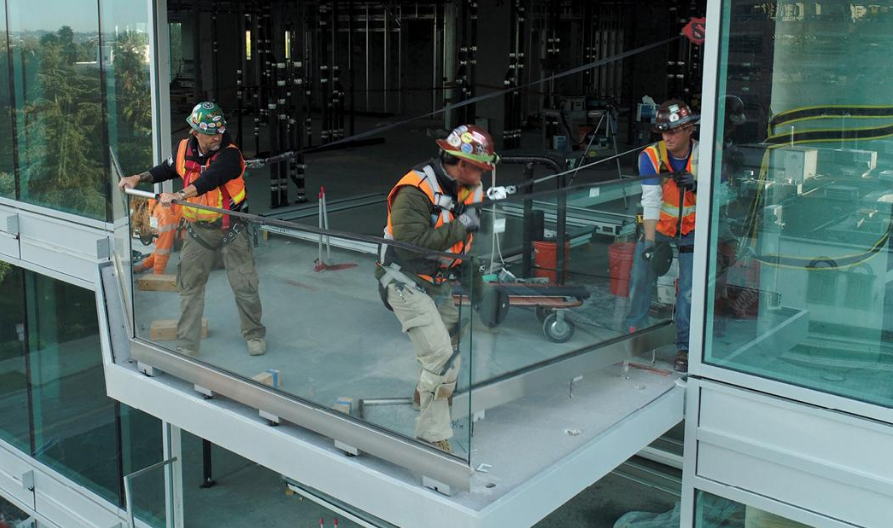
Improper installation can compromise even high-quality glass systems. Professional handling is essential for safety and longevity.
3. Cost Sensitivity
While demand is growing, cost remains a factor, especially in mid-market housing projects.
However, as awareness increases, more developers are prioritizing quality over short-term savings.
Future Trends: Where Glass Living in Kenya is Headed
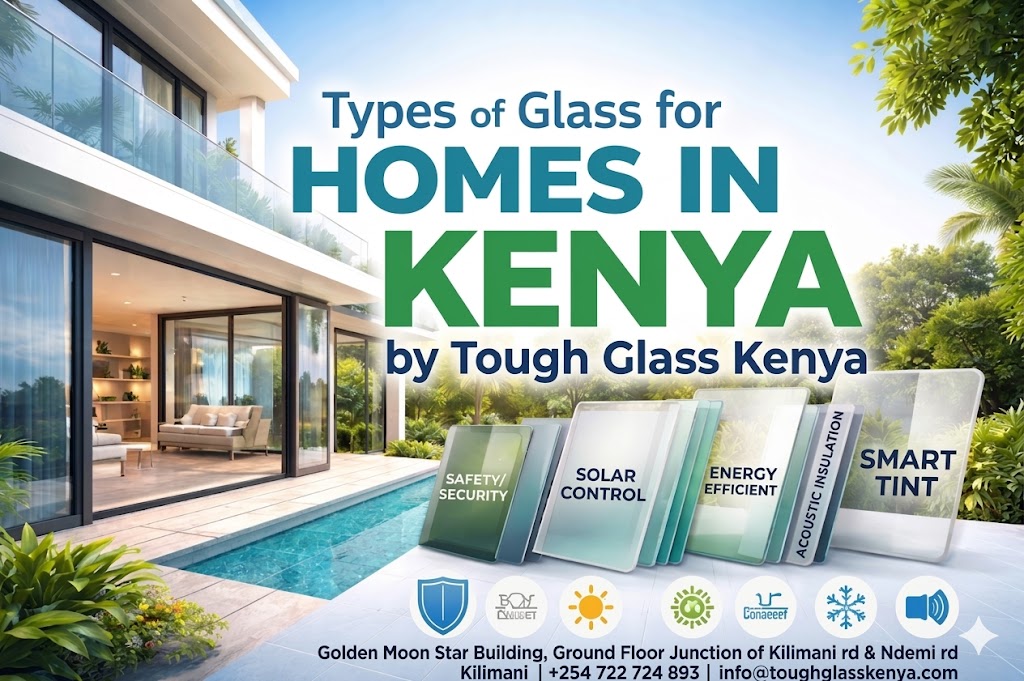
The future of glass architecture in Nairobi is closely tied to broader urban development trends:
1. Smart Buildings
Integration of smart glass systems that adjust light and heat transmission.
2. Green Construction
Energy-efficient buildings using glass to optimize natural lighting and reduce energy consumption.
3. High-Rise Residential Growth
As land becomes more expensive, vertical living will increase, expanding demand for glass façades and balcony systems.
4. Luxury Gated Communities
More gated community homes in Kenya will adopt glass-heavy designs for premium appeal.
A Clear Future for Nairobi’s Architecture
Glass is no longer just a construction material in Kenya—it is a symbol of modern living. It represents transparency, openness, and architectural progress.
As Nairobi continues to expand and redefine its skyline, the demand for toughened glass, architectural glass, and modern installation solutions in Kenya will only increase.
For developers, homeowners, and commercial builders, investing in quality glass solutions is not just about design—it is about long-term value, safety, and sustainability.
With industry players like Tough Glass Kenya, the country is steadily moving toward a future where buildings are not just strong—but also bright, open, and beautifully designed.