
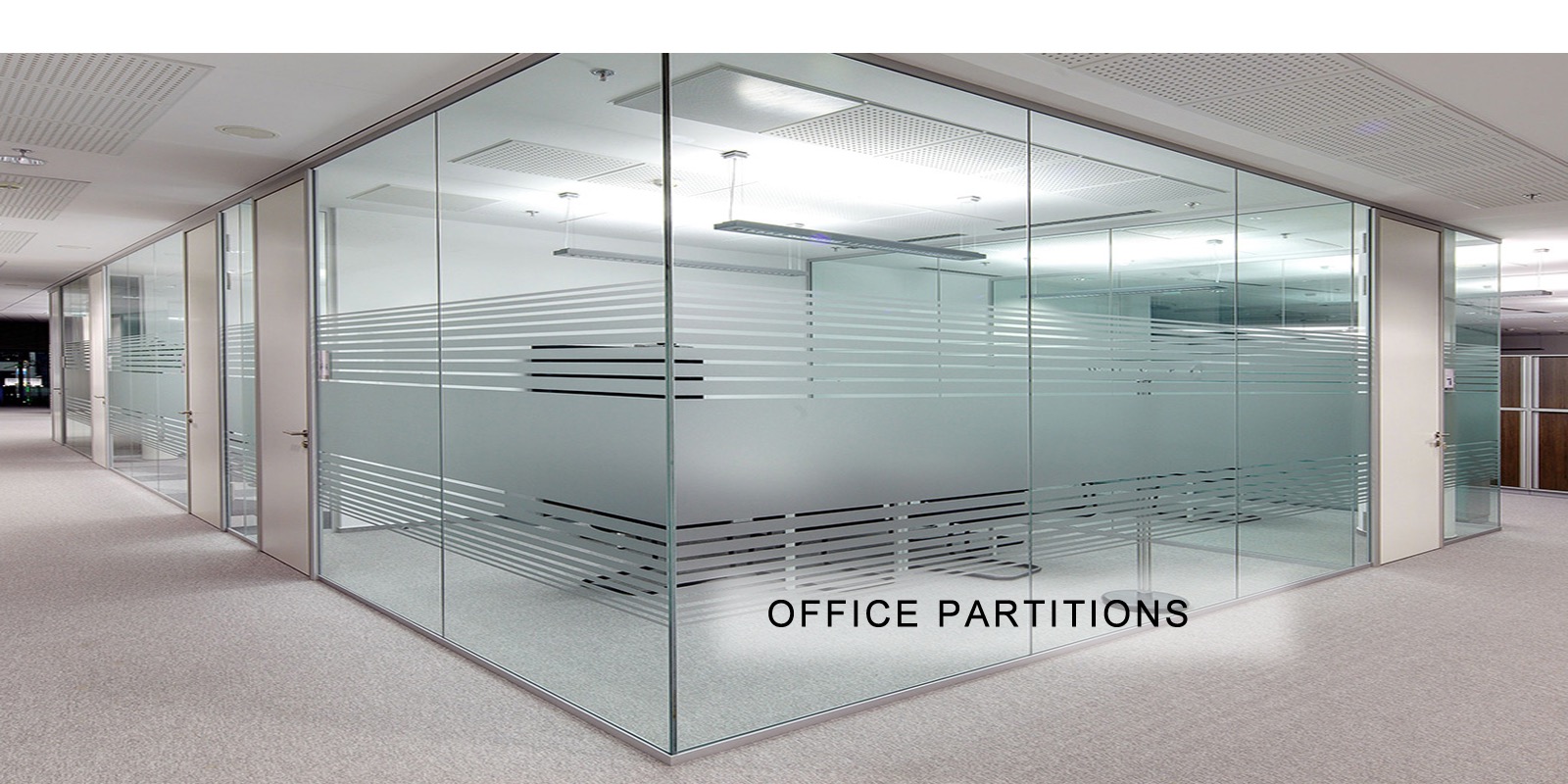

Glass has become a defining feature of modern commercial architecture in Kenya. From apartment lobbies and shopping centres to hospitals, schools, offices, hotels and retail premises, architectural glass is used to create brighter interiors, improve visibility and give buildings a contemporary appearance.
But glass installed in a busy building faces very different demands from glass used in a quiet residential environment. Hundreds or even thousands of people may pass through entrances, touch doors, move equipment, carry luggage or push trolleys against glazed surfaces every day. For property owners, choosing the right commercial glass installation therefore requires consideration of durability, safety, hardware, cleaning and long-term maintenance from the beginning.
At Tough Glass Kenya, commercial glazing projects require more than selecting an attractive glass panel. The glass, framing, fittings and installation method all need to work together according to the conditions in which the building will operate.
Why High-Traffic Buildings Need a Different Glass Strategy
A busy building experiences repeated human contact that can gradually expose weaknesses in an installation. Doors may be opened and closed hundreds of times a day, entrance areas may experience accidental impacts, and cleaning teams may handle the glass frequently.
The building’s location and purpose also matter. A shopping centre may have customers pushing shopping trolleys, while a hospital may have wheelchairs, beds and medical equipment moving through corridors. A school presents its own considerations because children can interact with doors, partitions and other glazed surfaces differently from adults.
This means property owners should think about glass durability and safety before installation rather than waiting for problems to appear after the building is occupied.
1. Choose Glass According to the Application
There is no single glass specification suitable for every busy building. A reception partition, entrance door, shopfront, internal office partition and overhead glazing can all require different considerations.
Toughened glass is commonly used in many architectural applications because of its increased resistance to thermal and mechanical stresses compared with ordinary annealed glass. When properly manufactured, it also generally breaks into smaller fragments rather than large sharp shards.
Laminated glass has a different breakage characteristic because an interlayer can hold many broken fragments together. This can be an important consideration for applications where retaining a barrier after breakage is desirable.
The appropriate glass specification should therefore be determined by the location, dimensions, exposure, support system and intended function of the installation.
2. Impact Exposure Should Be Considered Early
One of the most important questions for high-traffic buildings is what is likely to come into contact with the glass.
Entrance doors may experience repeated pushing and pulling, while shopfronts can be exposed to accidental knocks from customers and equipment. In hospitals, glazed doors and partitions may be exposed to beds, wheelchairs and mobile equipment.
Property owners should therefore identify areas with higher impact exposure during the design stage. This allows architects and glazing specialists to consider appropriate glass types, thicknesses, framing systems and protective arrangements.
Simply specifying thicker glass without considering the complete system does not automatically solve every impact-related problem.
3. Door Hardware Can Determine Long-Term Performance
In a busy building, the glass may not be the component experiencing the greatest mechanical stress. Door hardware can be subjected to thousands of operating cycles over its service life.
Handles, hinges, patch fittings, floor springs, locks and door closers should therefore be selected according to the type and frequency of use. A door that works well in a private office may not be suitable for a busy shopping centre entrance.
Poorly selected or poorly maintained hardware can also place unnecessary stress on the glass and surrounding fittings. Professional commercial glass doors should therefore be considered as complete systems rather than as glass panels with handles attached.
4. Safety Should Remain Central to the Design
High pedestrian traffic increases the importance of visibility and safety. Large transparent doors and partitions can be difficult to see under certain lighting conditions, particularly where people are moving quickly in opposite directions.
Appropriate visual markings, door positioning, manifestation and other design measures can help make glazed surfaces more noticeable. The surrounding layout should also provide adequate circulation space so that people are not forced into direct contact with doors or fixed glazing.
The glass specification itself is equally important. Safety glazing should be selected according to the particular application and relevant project requirements.
5. Cleaning Is Part of the Design
Glass looks impressive when it is clean. In a high-traffic building, however, fingerprints, dust, water marks and other deposits can appear quickly.
This is particularly noticeable around entrances where people frequently touch handles and door surfaces. Restaurants, shopping centres and hospitals can have additional cleaning requirements because of the nature of their operations.
Property owners should therefore consider how easily the glass can be accessed and cleaned. Door hardware, framing, drainage and surrounding surfaces can all affect maintenance. A design that looks excellent on opening day but is difficult to clean can become unnecessarily expensive over time.
6. Maintenance Should Not Be an Afterthought
Every commercial building needs a maintenance strategy, and glazing should be included in it.
Regular inspections can identify loose fittings, worn door hardware, damaged seals, chips, cracks and other problems before they become more serious. High-use doors deserve particular attention because their hardware and moving components experience repeated operation.
Facility managers should also avoid treating small signs of damage as purely cosmetic. Cracked or significantly damaged glass should be professionally assessed, while damaged hardware should be repaired or replaced appropriately.
Preventive maintenance can help extend the useful life of a commercial glazing system and reduce unexpected disruption.
7. Think About Replacement Before You Need It
Glass breakage cannot always be prevented. Accidental impact, vandalism, construction activity or other unforeseen events can result in damage even where an installation has been properly designed.
For property owners, it is therefore useful to consider replacement requirements before installation. Standardising certain glass dimensions, keeping accurate records of specifications and using readily serviceable hardware can make future repairs easier.
This is particularly valuable for large commercial properties with multiple entrances, offices or glazed partitions. When a damaged panel needs replacement, knowing its thickness, dimensions, glass type and configuration can save considerable time.
8. Consider the Building’s Long-Term Appearance
High-traffic buildings are not only functional spaces; they are also public-facing properties. A scratched, poorly maintained or damaged entrance can affect how visitors perceive the entire building.
This is especially relevant for hotels, corporate offices, shopping centres, showrooms and premium apartment developments. Clean glass, properly maintained hardware and consistent framing contribute to a building that continues to look professionally managed years after completion.
The original design should therefore consider both immediate appearance and long-term wear.
9. Professional Installation Matters
Even correctly specified glass can perform poorly if it is incorrectly measured or installed. Large commercial panels require accurate dimensions, suitable support and careful handling during transportation and installation.
Installation also needs to account for the relationship between glass, frames, fittings and the surrounding structure. Small errors can become more obvious on large glazed surfaces and may affect how doors operate or how panels align.
Working with an experienced glass installation company in Kenya can therefore be particularly important for high-traffic commercial environments where the glazing will be subjected to continuous use.
A Practical Checklist for Property Owners
Before installing glass in a busy building, property owners and project teams should consider:
- Expected pedestrian traffic and frequency of use.
- Potential impact from people, equipment, trolleys or vehicles.
- Appropriate glass type and thickness for the application.
- Door hardware and expected operating cycles.
- Safety and visibility of transparent surfaces.
- Accessibility for cleaning and routine maintenance.
- Availability and practicality of future replacement.
- The relationship between glazing, framing and the building structure.
Considering these issues early can prevent avoidable costs and help the finished installation perform as intended.
Building for Traffic, Not Just for Opening Day
The success of commercial glazing should not be judged only on how impressive it looks when a building opens. The more important test is how well the system continues to perform after months and years of constant use.
For Tough Glass Kenya, the objective of a commercial glazing project is to combine appearance with practical performance. Our solutions include toughened glass, laminated glass, commercial glass doors, glass partitions, balustrades, façades and other architectural glazing applications for different types of buildings.
Whether the project is an apartment lobby, shopping centre, school, hospital, office, hotel or retail premises, the glass should be specified according to the environment in which it will operate. Durability, safety, hardware, cleaning, maintenance and eventual replacement should all form part of the conversation before fabrication begins.
A high-traffic building deserves glazing designed for real-life use, not simply for the photograph taken on opening day. With the right specification, quality materials and professional installation, commercial glass in Kenya can remain functional, safe and visually impressive even when thousands of people pass through the building over its lifetime.

