
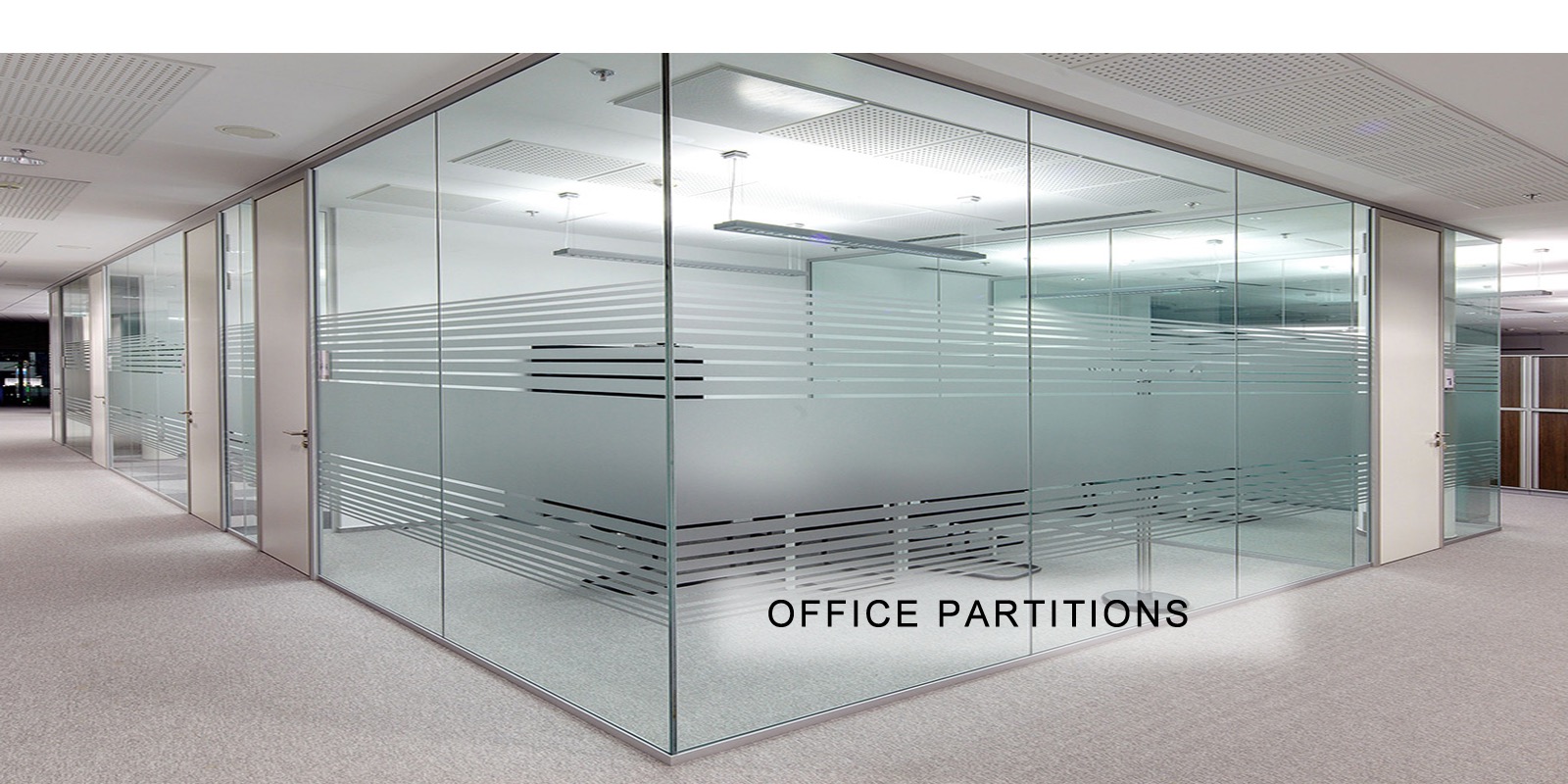

Across Equatorial Africa—from Nairobi and Kampala to Lagos and Dar es Salaam—commercial high-rises and corporate headquarters face a relentless environmental reality: year-round intense solar radiation.
For decades, modern architectural trends favored extensive single-pane glass curtain walls to capture urban skylines and maximize daylighting. However, standard single glazing acts as a thermal conductor rather than a barrier. Unfiltered solar radiation enters through the building envelope, creating a severe greenhouse effect that forces HVAC (Heating, Ventilation, and Air Conditioning) chillers to run continuously at peak capacity.
Today, real estate developers, structural engineers, and facility managers are rethinking building envelopes. Smart double-glazed facades and Insulated Glass Units (IGUs) have shifted from luxury architectural additions to primary financial strategies for lowering operational expenditure (OpEx) and achieving green building certifications like EDGE and LEED.
Tough Glass Kenya
Golden Moon Star Building, Ground Floor, Junction of Kilimani Road and Ndemi Road, Kilimani, Nairobi, Kenya.
Phone: +254 722 724 893
Email: info@toughglasskenya.com
Website: https://toughglasskenya.com
1. The Physics of the Thermal Barrier: How IGUs Work
At the core of thermal performance is the Insulated Glass Unit (IGU), a sealed assembly comprising two glass lites separated by a hermetically sealed air or gas-filled cavity.
Direct Sunlight (UV & Infrared Radiation)
       │
       │     [Outer Glass Lite] ── Spectrally Selective Low-E Coating (Reflects Heat)
       ▼            │
     ░░░░░          │
    ░░░░░░░         ▼
   ░░░░░░░░░ ┌──────────────┐
  ░░░░░░░░░░ │  Glass Lite  │
             └──────────────┘
                    │
                    │   Argon / Krypton Gas Cavity (Suppresses Conduction)
                    ▼
                 ░░░░░░
                 ░░░░░░
                    │
                    ▼
             ┌──────────────┐
             │  Glass Lite  │ ── [Inner Glass Lite] (Laminated / Safety Glass)
             └──────────────┘
                    │
                    ▼
     [Cool Ambient Indoor Workspace]
Unlike single-pane float glass—which absorbs and re-radiates intense exterior heat directly into indoor offices—a high-performance double-glazed facade operates through three core mechanisms:
- Conductive Insulation: The dehydrated gas space (often filled with non-reactive Argon or Krypton gas) acts as a thermal break, drastically lowering conductive heat transfer between the hot exterior air and conditioned indoor spaces.
- Solar Control via Low-E Coatings: Spectrally selective Low-Emissivity (Low-E) coatings applied to the internal glass surfaces reflect invisible long-wave infrared radiation (heat) while allowing visible light to pass through unimpeded.
- Desiccant Perimeter Spacers: Warm-edge spacers packed with molecular sieves prevent moisture condensation inside the cavity, ensuring long-term optical clarity and structural seal integrity.
2. Key Thermal Metrics Developers Must Spec
To evaluate how effectively a double-glazed facade reduces HVAC cooling demand, project specifiers analyze three critical technical parameters:
| Thermal Metric | What It Measures | Ideal Equatorial Target |
| U-Value ($W/m^2K$) | The rate of non-solar conductive heat transfer through the complete glazing system. | Lower is better ($\le 1.6 \ W/m^2K$ vs. $\sim 5.8 \ W/m^2K$ for single glass). |
| Solar Heat Gain Coefficient (SHGC) | The fraction of incident solar radiation admitted through the glass as heat. | Lower is better ($0.22 – 0.35$ in high-solar zones). |
| Visible Light Transmittance (VLT) | The percentage of natural daylight passed into interior floor plates. | Balanced ($50\% – 65\%$) to maximize lighting without glare. |
By pairing a low SHGC with an optimized U-value, a double-glazed facade blocks up to 70% of unwanted solar heat before it enters the building envelope.
3. Financial Impact: Slashing HVAC Capital and Operational Costs
The financial argument for upgrading to smart double-glazed facades extends beyond monthly utility bills. The ROI impacts both capital expenditure (CapEx) and long-term operational expenditure (OpEx):
Downsizing HVAC Chiller Plant Capacity (CapEx Savings)
When a high-rise building’s thermal envelope is engineered to reject peak solar loads, mechanical engineers do not need to over-spec HVAC systems. Installing double-glazed low-E facades enables developers to install smaller chiller units, reduced ducting networks, and lower-capacity cooling towers—reducing upfront MEP (Mechanical, Electrical, and Plumbing) capital outlay.
Reducing Continuous Operational Energy Consumption (OpEx Savings)
Air conditioning and mechanical ventilation represent up to 40%–50% of total electrical energy consumption in Equatorial commercial buildings. Replacing single glazing with high-performance double-glazed IGUs can slash overall HVAC energy usage by 25% to 40%.
Extending Equipment Lifespan
Because thermal gains are suppressed at the facade line, HVAC compressors and air handlers operate under stable, moderate loads rather than cycling continuously at peak capacity. This reduces wear and tear, delays major equipment overhauls, and lowers routine facility maintenance costs.
4. Double-Skin Facades (DSF) and Smart Integration
For modern commercial developments, technological integration goes beyond static IGUs:
- Double-Skin Facades (DSF): Featuring an outer glass skin, an ventilated air cavity with automated solar-tracking louvers, and an inner double-glazed wall. Naturally ventilated air cavities carry away trapped solar heat via stack effect before it reaches the interior.
- Electrochromic / Smart Glass: Smart tinting glass dynamically changes its light transmission properties when a low-voltage electrical current is applied, adjusting SHGC in real time based on sun trajectory.
- Thermal-Break Aluminum Framing: Pairing high-performance IGUs with poly-amide thermal-break aluminum mullions prevents heat bridge transfers across metal structural frames.
Building Sustainable Value for East African Real Estate
In an increasingly competitive commercial property market, energy efficiency directly dictates tenant retention and yield performance. Property owners who invest in engineered Insulated Glass Units, certified laminated safety glass, and thermal-break architectural systems protect their capital assets from rising grid energy costs while providing superior indoor thermal comfort.
For architects, structural engineers, and property developers across Kenya and the wider East African region, sourcing precision-processed safety glass and high-performance architectural glazing from certified local processing partners like Tough Glass Kenya ensures compliance with international building standards and long-term structural durability.

