
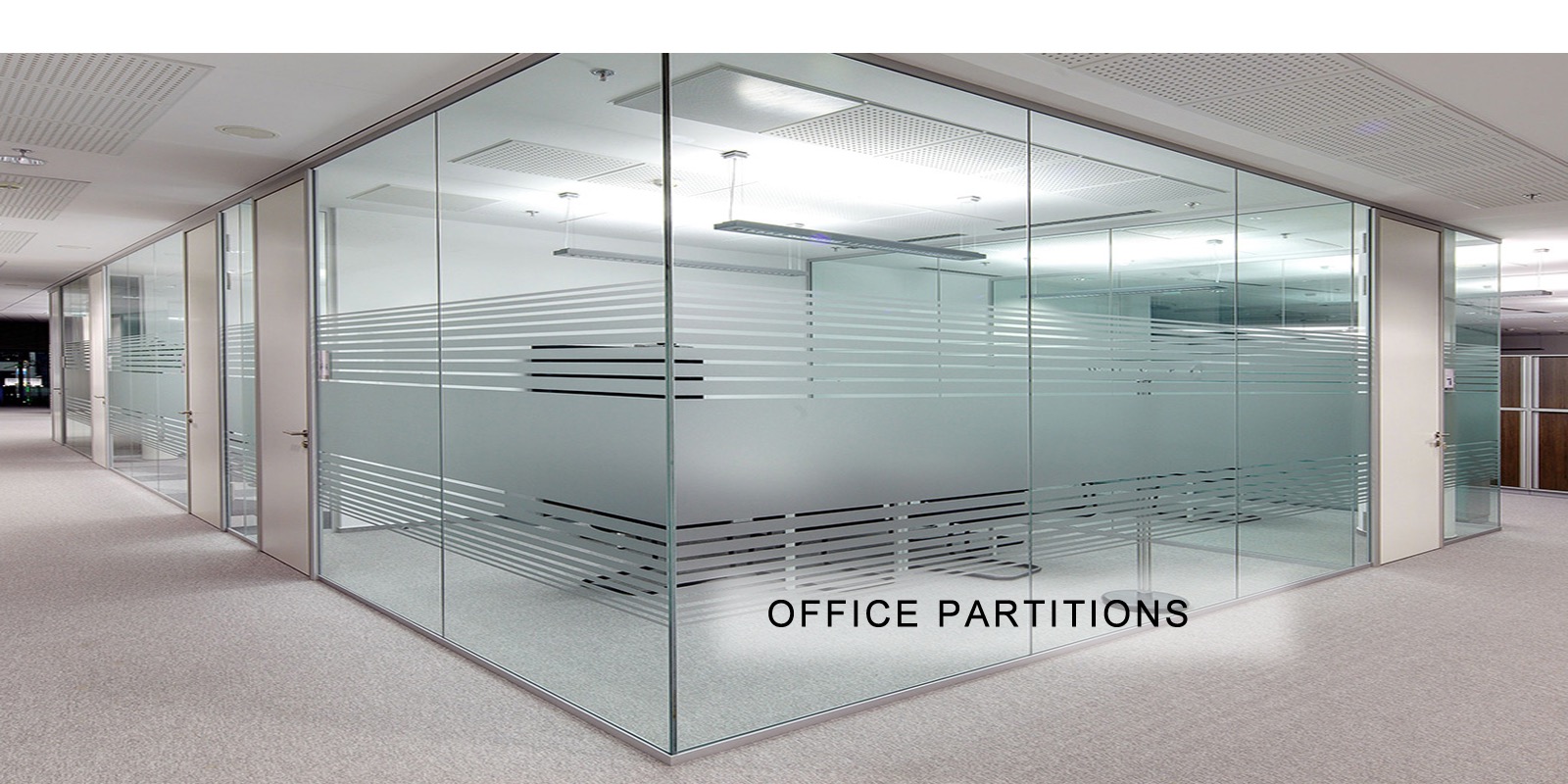

Modern Kenyan homes are increasingly embracing open-plan designs that create a sense of space, improve natural lighting and connect different living areas. Tough Glass Kenya is part of this evolving approach to residential design, offering glass solutions that allow homeowners to rethink how spaces can be separated without relying entirely on permanent masonry walls.
From apartments in Nairobi to contemporary family homes in Kiambu and Ruiru, glass partitions are becoming an attractive option for homeowners seeking a balance between openness and privacy. Whether separating a kitchen from a dining area or creating a private home office, glass offers flexibility while maintaining visual connection and allowing natural light to flow through interiors.
Contact Info
Golden Moon Star Building, Ground Floor Junction of Kilimani rd & Ndemi rd Kilimani
+254 722 724 893
Why Open-Plan Living Is Becoming Popular
Traditional residential designs use permanent walls to separate kitchens, dining rooms, living rooms and bedrooms. While this provides privacy, it can also restrict natural lighting and make smaller interiors feel confined.
Open-plan living creates connected spaces with fewer visual barriers. A living room can flow naturally into a dining area, while a kitchen remains visually connected to the rest of the home.
However, completely open spaces do not always suit every household. Cooking smells, noise and the need for private working areas can make some separation necessary. This is where glass partitions in Kenya offer a practical alternative.
How Glass Partitions Provide Privacy Without Closing Spaces
Unlike conventional masonry walls, glass partitions create defined spaces while allowing light to pass through. They provide separation without completely interrupting the visual connection between rooms.
For instance, a glass partition between a kitchen and dining area can define the cooking space while preserving an open appearance. Similarly, a glass divider between a living room and home office can create a dedicated workspace without making it feel isolated.
Homeowners can choose clear, frosted, tinted or decorative glass depending on their design preferences and privacy requirements. Frameless systems offer a minimalist appearance, while aluminium-framed partitions provide a more defined architectural finish.
Five Ways to Use Glass Partitions in Modern Kenyan Homes
1. Separating the Kitchen and Dining Area
A glass partition can define the kitchen while allowing natural light to move between spaces. Sliding glass doors provide additional flexibility, allowing homeowners to open or close the area when necessary.
2. Creating a Private Home Office
With more people working remotely, dedicated workspaces have become desirable. Glass partitions can transform part of a living room or spare room into an office. Frosted glass provides additional visual privacy during meetings.
3. Dividing Living and Dining Areas
In smaller apartments, another permanent wall can make an interior feel cramped. Glass room dividers distinguish the living and dining areas without sacrificing the feeling of spaciousness.
4. Creating Bedroom Dressing Areas
Glass partitions can separate sleeping areas from wardrobes or dressing spaces. Frosted or tinted glass provides discretion while maintaining a contemporary appearance.
5. Improving Bathroom Design
Glass is widely used in shower cubicles and bathroom enclosures. Suitable frosted glass partitions can also separate bathroom spaces while maintaining an elegant finish.
Clear Glass or Frosted Glass: Which Should You Choose?
The right choice depends on the intended application and privacy requirements.
| Glass type | Suitable application |
|---|---|
| Clear glass | Living rooms and dining areas |
| Frosted glass | Bathrooms and home offices |
| Tinted glass | Selected private interiors |
| Decorative glass | Feature partitions and personalised designs |
Clear glass maintains visibility and natural light, while frosted glass offers greater visual privacy. Decorative glass allows homeowners to introduce distinctive patterns and finishes.
Can Glass Partitions Reduce Noise?
Glass partitions provide physical separation, but ordinary single-glazed systems do not automatically offer soundproofing. Conversations, television sounds and other household noise may still travel between rooms.
Homeowners requiring better acoustic privacy should consider specialised acoustic laminated glass, double-glazed systems and properly sealed frames. Performance depends on the complete installation, including the glass, doors and seals.
Glass Partitions Versus Masonry Walls
Both options have their place in residential construction. Masonry walls provide substantial privacy and separation, making them suitable for bedrooms and other enclosed spaces.
Glass partitions are more appropriate where homeowners want to retain natural lighting, improve visual openness and create flexible interior layouts. They may also reduce extensive wall construction during some renovations, although costs depend on glass specifications, fittings and installation requirements.
Choosing the Right Glass Partition for Your Home
Before installation, homeowners should consider safety, privacy, glass thickness, available space and the quality of fittings. Toughened or laminated safety glass may be appropriate depending on the application. Professional measurements, proper support and correct installation are equally important for durability.
Tough Glass Kenya recognises the growing role of glass in modern residential architecture. Whether renovating an apartment or designing a new family home, homeowners can explore suitable glass partition solutions that combine functionality, safety and contemporary design.
Conclusion
Open-plan living does not have to mean sacrificing privacy. Glass partitions allow Kenyan homeowners to enjoy brighter, more connected interiors while maintaining practical separation between different living areas. With thoughtful planning, appropriate glass specifications and professional installation, glass can transform how modern homes look and function.

