
The construction landscape in Kenya is evolving rapidly, driven by urban density, rising energy costs, and demand for smarter buildings. At the centre of this transformation is smart glass Kenya—a technology that allows glass to change its properties in response to electrical, thermal, or light stimuli.
Once considered experimental or luxury-only, smart glass in Nairobi, Kenya is now gaining serious attention from developers, architects, and commercial property owners seeking energy efficiency, privacy control, and modern design.
Bring Intelligence and Efficiency to Your Space with Smart Glass
Upgrade your building with smart glass solutions in Kenya that deliver instant privacy, energy efficiency, and modern design—without blinds or curtains. Ideal for offices, hospitals, hotels, and luxury residences in Nairobi.
📞 Talk to a smart glass specialist: 0722 724 893
📍 Visit us: Golden Moon Star Building, Ground Floor, Junction of Kilimani Rd & Ndemi Rd, Kilimani
📧 Email: info@toughglasskenya.com
Future-ready buildings start with smart glass. Partner with Tough Glass Kenya today.
What Is Smart Glass?
Smart glass, also known as switchable or dynamic glass, is glazing that can change from transparent to opaque or adjust light and heat transmission when activated. Unlike traditional glass, it actively responds to environmental or user controls.
The most common smart glass technologies relevant to the Kenyan market include:
- PDLC (Polymer Dispersed Liquid Crystal) glass
- Electrochromic glass
- Thermochromic glass
These technologies are increasingly specified in commercial glass installations in Nairobi, especially where performance matters as much as appearance.
Why Smart Glass Is Gaining Interest in Kenya
Several data-backed trends are accelerating adoption of smart glass Kenya:
1. Rising Energy Costs
Electricity costs in Kenya continue to rise, making energy-efficient building materials more attractive. Smart glass can reduce heat gain and glare, lowering air-conditioning demand in offices and high-end residences.
2. Urban Density in Nairobi
With limited land, Nairobi is building upwards, not outwards. High-rise buildings require advanced façade solutions that manage heat, light, and privacy without sacrificing natural daylight.
3. Modern Workplace Design
Open-plan offices, boardrooms, and healthcare facilities increasingly demand instant privacy without permanent walls or blinds.
Smart Glass vs Conventional Glass: Performance Comparison
| Feature | Conventional Glass | Smart Glass Kenya |
|---|---|---|
| Privacy control | Curtains or blinds | Instant switch (on/off) |
| Energy efficiency | Limited | Reduced heat & glare |
| Maintenance | High (blinds, films) | Low, integrated system |
| Aesthetic value | Standard | Premium, modern look |
| Flexibility | Fixed | Dynamic, user-controlled |
| Suitability for Nairobi offices | Moderate | High |
This performance gap explains why smart glass in Nairobi Kenya is being adopted in offices, hospitals, hotels, and luxury homes.
Key Applications of Smart Glass in Nairobi
1. Commercial Offices
Smart glass is ideal for:
- Boardrooms
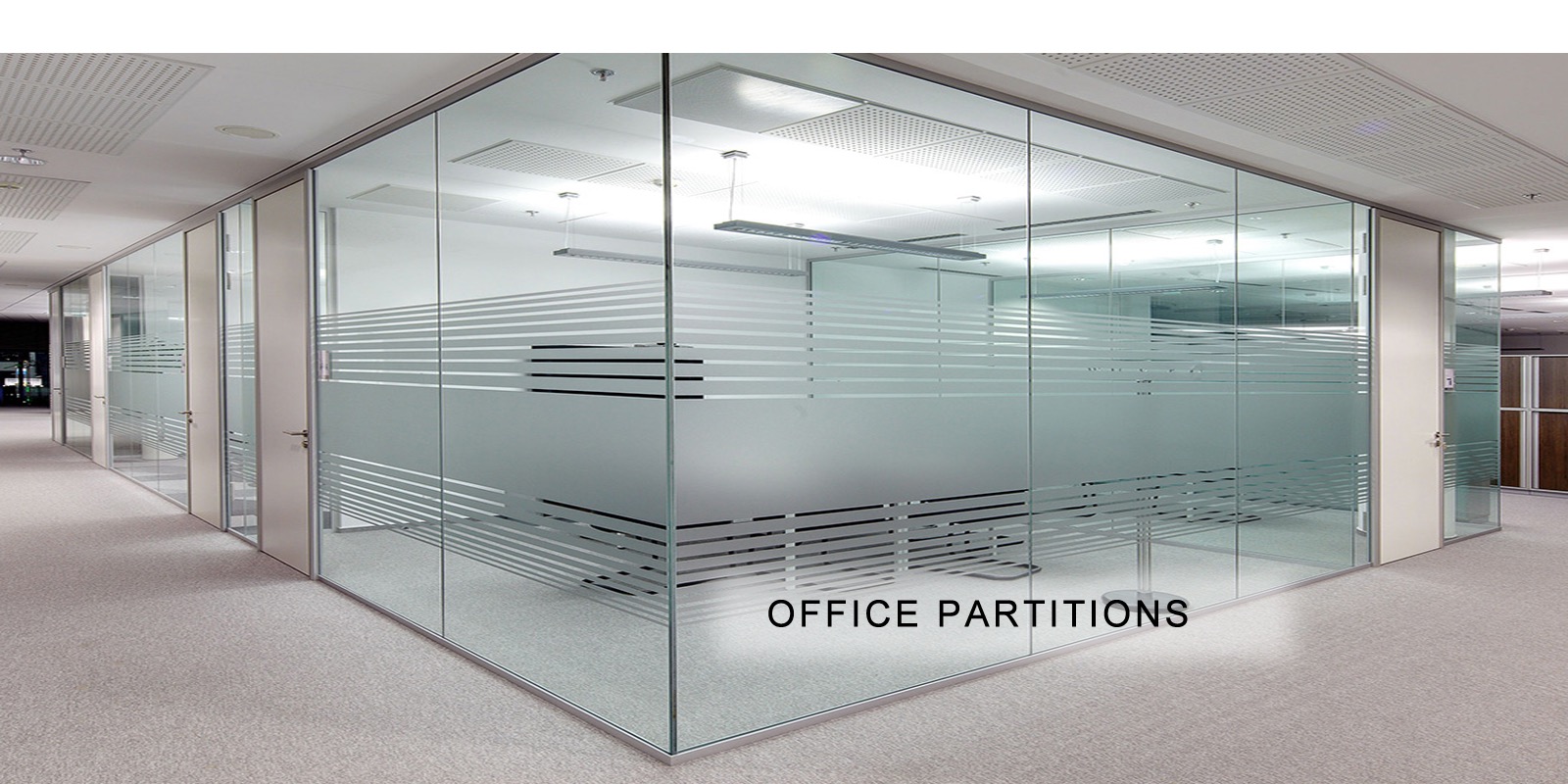
- Office partitions
- Executive offices
It eliminates the need for blinds while maintaining a sleek, professional environment.
2. Healthcare Facilities
Hospitals and clinics in Nairobi use smart glass for:
- Patient privacy
- Hygiene-sensitive environments
- Observation rooms
Unlike curtains, smart glass is easy to clean and reduces contamination risk.
3. Hospitality & Luxury Residential Projects
High-end apartments, hotels, and villas use smart glass for:
- Bathrooms
- Balconies
- Bedroom partitions
This aligns with the growing luxury real estate market in Nairobi, Kilimani, Westlands, and Upper Hill.
Energy Performance and Climate Relevance
Kenya’s climate—particularly Nairobi’s mix of heat, glare, and strong daylight—makes smart glass especially relevant.
Data-backed benefits include:
- Reduced solar heat gain
- Improved indoor comfort
- Lower HVAC load
- Better daylight utilisation
While electrochromic glass offers the strongest energy performance, PDLC smart glass is currently more common in Kenya due to cost and availability.
Cost Considerations: Is Smart Glass Viable in Kenya?
Smart glass costs more upfront than conventional glazing. However, when evaluated over a building’s lifecycle, the economics change.
Cost offsets include:
- Elimination of blinds and curtains
- Reduced energy consumption
- Lower maintenance costs
- Increased property value
For commercial glass Nairobi projects, smart glass is increasingly viewed as a long-term investment, not a luxury add-on.
Installation and Technical Considerations
For successful smart glass installation in Kenya, several factors are critical:
- Proper electrical integration
- Professional glass installation
- Correct specification (thickness, lamination, safety)
- Reliable suppliers with after-sales support
Poor installation can undermine performance, making experienced glass installers in Nairobi Kenya essential.
Challenges Slowing Adoption
Despite its benefits, smart glass adoption in Kenya faces challenges:
- Higher initial cost
- Limited public awareness
- Need for technical expertise
- Power integration requirements
However, as technology matures and local expertise grows, these barriers are gradually reducing.
The Outlook for Smart Glass Kenya
The next decade will see smart glass Kenya transition from niche to mainstream in:
- Commercial developments
- Healthcare facilities
- High-end residential projects
- Institutional buildings
As sustainability, energy efficiency, and intelligent design become priorities, smart glass will play a central role in shaping modern buildings in Nairobi Kenya.
Smart glass represents a significant shift in how buildings interact with occupants and the environment. In a city like Nairobi—where space, energy efficiency, and modern design intersect—smart glass Kenya offers a compelling solution.
For developers and property owners willing to think long-term, smart glass is not just about aesthetics—it is about performance, efficiency, and future-ready construction.