
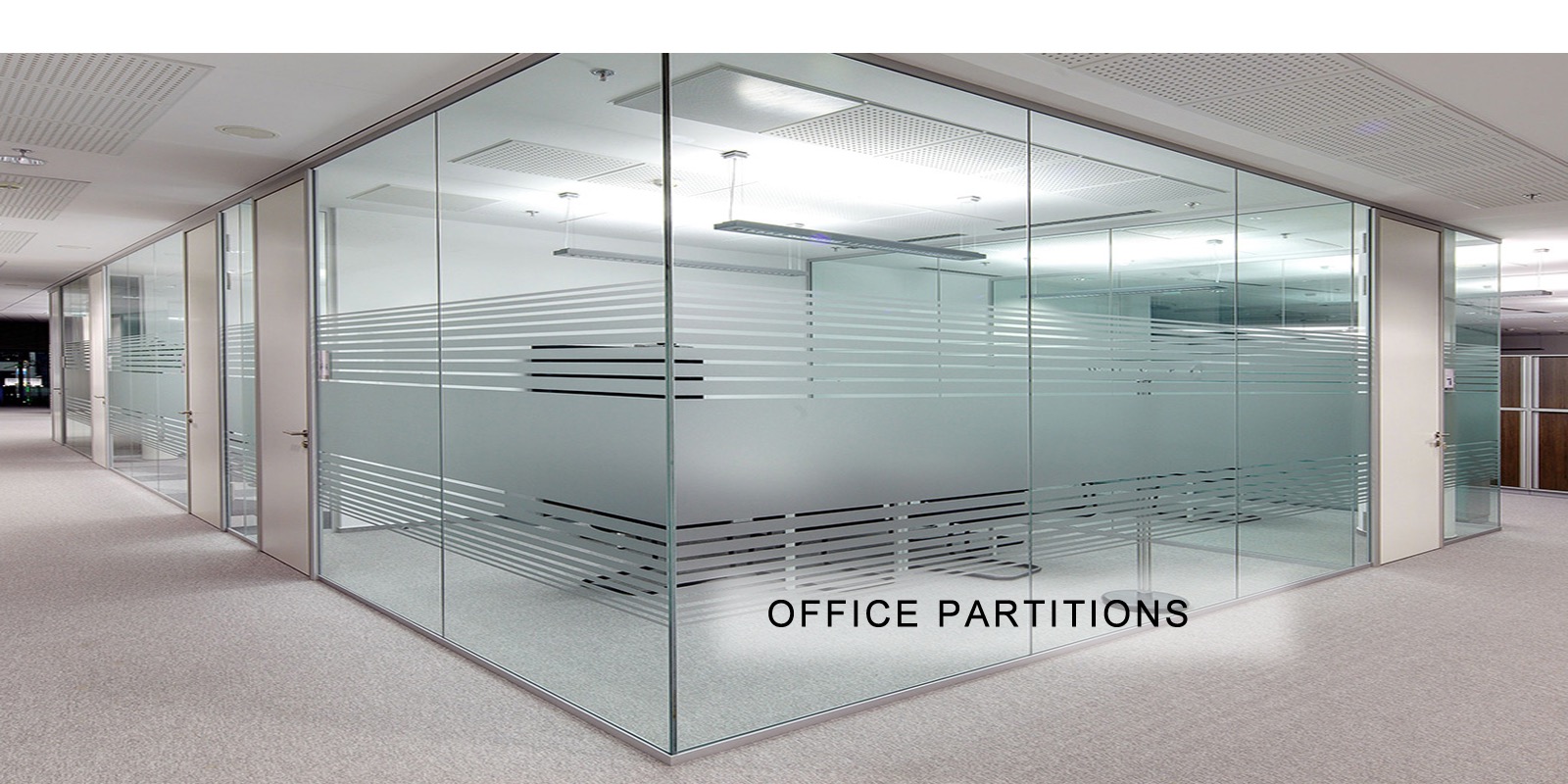
The entrance of a commercial building often creates the first impression long before a visitor speaks to a receptionist, meets a salesperson or enters an office. In Nairobi and other growing urban centres in Kenya, businesses are increasingly using glass to create entrances that appear modern, open and professionally designed. However, simply installing a large piece of glass does not automatically produce a sophisticated entrance.
A professional commercial entrance depends on how several elements work together. The proportions of the entrance, glass specification, framing, door hardware, visibility, branding, lighting and installation quality can determine whether the finished entrance looks carefully designed or simply assembled. For offices, hotels, banks, showrooms, restaurants and retail premises, these details can influence how customers perceive the business from the moment they arrive.
For businesses considering commercial glass doors in Kenya, therefore, the question should not only be which glass to install. It should also be how the complete entrance will function, look and relate to the character of the building.
1. Entrance Proportions Create the First Visual Impression
One of the first things people notice about a commercial entrance is its proportion. A glass entrance that is too narrow for a large façade can look insignificant, while an excessively large entrance can appear out of scale with a modest building.
Professional design considers the relationship between the entrance, surrounding walls, windows, columns, ceiling height and the overall façade. The objective is to create visual balance rather than simply maximise the amount of glass used.
This is particularly important for corporate offices, hotels and showrooms where the entrance is part of the building’s identity. A well-proportioned entrance can make a property appear more intentional and polished without necessarily requiring an elaborate design.
2. The Glass Should Suit the Building’s Purpose
Not every commercial entrance requires the same glass configuration. An office building may prioritise transparency and natural light, while a bank may require a greater emphasis on security and controlled access. A hotel may want an entrance that feels welcoming and elegant, while a retail shop may need maximum visibility into the premises.
The choice of glass should therefore be connected to the function of the building. Depending on the application, considerations can include safety, transparency, privacy, thickness, performance and the way the glass interacts with the surrounding structure.
For this reason, commercial glass entrance doors should be specified according to the actual environment in which they will operate rather than selected purely because they look attractive in a photograph.
3. Framing Can Completely Change the Character of an Entrance
Frames and profiles may appear to be secondary details, but they have a significant influence on the finished appearance of a commercial entrance. The choice between a more defined framed system and a cleaner minimalist appearance can change the visual character of the entire façade.
Aluminium framing, for example, can provide structure while creating a consistent relationship between doors, windows and other glazed sections. In some buildings, visible framing contributes to a strong architectural identity, while in others the design objective may be to make the glass appear as uninterrupted as possible.
The important consideration is consistency. Frames, profiles and surrounding architectural elements should appear to belong to the same design rather than looking like unrelated components added at different stages of construction.
4. Door Hardware Is More Important Than It Looks
Handles, hinges, locks, closers and other hardware are among the details visitors may not consciously notice, yet they contribute significantly to how a commercial entrance feels.
A beautifully designed glass door fitted with poorly selected or mismatched hardware can lose some of its visual appeal. Conversely, well-selected hardware can complement the glass and reinforce the character of a premium commercial space.
There is also a practical consideration. Commercial entrances experience considerably more traffic than most residential doors. Hardware therefore needs to be appropriate for the frequency of use and the weight and configuration of the door.
A professional installation considers both appearance and daily performance rather than treating hardware as an afterthought.
5. Visibility Should Be Designed, Not Assumed
One of the biggest advantages of glass in commercial architecture is visibility. A visitor approaching an office, showroom or restaurant can often see what is happening inside before opening the door.
That transparency can make a business appear more welcoming and accessible. In retail environments, it can allow products and displays to become part of the entrance experience, while in offices it can help create a sense of openness.
However, complete transparency is not always desirable. Certain businesses require privacy, controlled visibility or separation between public and restricted areas. In such situations, the design can incorporate appropriate glass treatments, positioning or internal screening without abandoning the advantages of glazing.
6. Branding Should Work With the Glass
A commercial entrance is also an opportunity to communicate a company’s identity. Logos, names, opening hours, directional information and other branding elements can be incorporated into or around a glazed entrance when the design is handled carefully.
The key is restraint. Too much text, oversized graphics or poorly positioned stickers can make an otherwise elegant glass entrance look cluttered.
For banks, professional firms, hotels and corporate offices, subtle branding can be particularly effective. A visitor should be able to identify the business quickly without the entrance becoming a large advertising board.
7. Security and Safety Must Be Part of the Design
A commercial entrance has to do more than look impressive. It needs to support the safety and security requirements of the people using the building.
The appropriate glass specification, door configuration, locking arrangements, access-control systems and hardware should be considered according to the nature of the premises. A building receiving hundreds of visitors every day may have very different requirements from a small private office.
Safety should also be considered during design and installation. Glass used in commercial environments needs to be appropriately specified for its intended application, and installation should be undertaken with attention to the surrounding structure and hardware.
This is one reason why professional advice is important before fabrication begins. A visually attractive entrance that does not adequately address its operating environment can create problems later.
8. Lighting Can Transform the Entrance After Dark
A commercial entrance can look completely different during the evening. Strategic lighting can highlight the doorway, signage, architectural lines and interior spaces while making the building easier to identify from outside.
Hotels, restaurants and retail premises can use lighting to create a distinctive atmosphere, while offices may prefer a cleaner and more restrained appearance. The glass itself can help distribute light between the interior and exterior, creating visual depth after sunset.
Lighting should therefore be considered alongside the glass and entrance design rather than added as an unrelated finishing touch.
The Entrance Should Reflect What Happens Inside
An impressive entrance works best when it feels connected to the rest of the building. A highly polished glass doorway leading into a poorly organised reception area can create a disconnect, just as a sophisticated interior can be undermined by an entrance that appears dated.
The entrance should therefore form part of a wider design language. Glass partitions, reception areas, windows, internal doors, signage, lighting and furniture can all contribute to a consistent visual experience.
For commercial property owners and developers, this is an important distinction. The goal is not simply to install architectural glass in Kenya, but to use glass as part of a considered architectural solution.
Professional Installation Makes the Difference
Even a well-designed entrance can fail to achieve its intended appearance if measurements, fabrication or installation are poorly executed. Small inaccuracies can become particularly noticeable on large glass surfaces because clean architectural lines leave little room for visual imperfections.
Professional installation begins before the glass reaches the site. Accurate measurements, assessment of the opening, appropriate specification of materials and hardware, careful transportation and proper installation all contribute to the final result.
The quality of workmanship can ultimately determine whether an entrance looks genuinely integrated into the building or appears to have been added as an afterthought.
What Should Businesses Consider Before Installing a Glass Entrance?
Before committing to a commercial glass entrance, property owners, architects and contractors should consider several practical questions:
- What is the primary purpose of the entrance: visibility, access, security, branding or a combination of these?
- How much pedestrian traffic will the entrance handle each day?
- What type of glass and door configuration is appropriate for the building?
- How should the entrance relate to existing windows, façades and architectural features?
- What hardware, locking and access-control requirements need to be incorporated?
- Will the entrance require special privacy, branding or signage treatments?
- How will the entrance be maintained after installation?
Answering these questions early can prevent costly design changes later and help ensure that the final installation performs as expected.
A Professional Entrance Is About More Than Glass
A successful commercial entrance is not defined by the amount of glass used. It is defined by how effectively the glass, framing, hardware, branding, lighting, security and surrounding architecture work together.
For an office, hotel, showroom, restaurant, bank or retail premises, the entrance is an important part of the customer’s experience. It communicates something about the organisation before a conversation has even begun.
Tough Glass Kenya provides glass solutions for commercial and architectural applications, including commercial glass doors, office glazing, glass partitions, façades and other custom glass installations. For businesses planning a new entrance or upgrading an existing commercial space, professional assessment and accurate installation can help turn a simple doorway into an entrance that is functional, durable and visually consistent with the building.
A good commercial glass entrance should ultimately achieve three things at the same time: welcome people, serve the practical needs of the building and reinforce the identity of the business behind the door.

