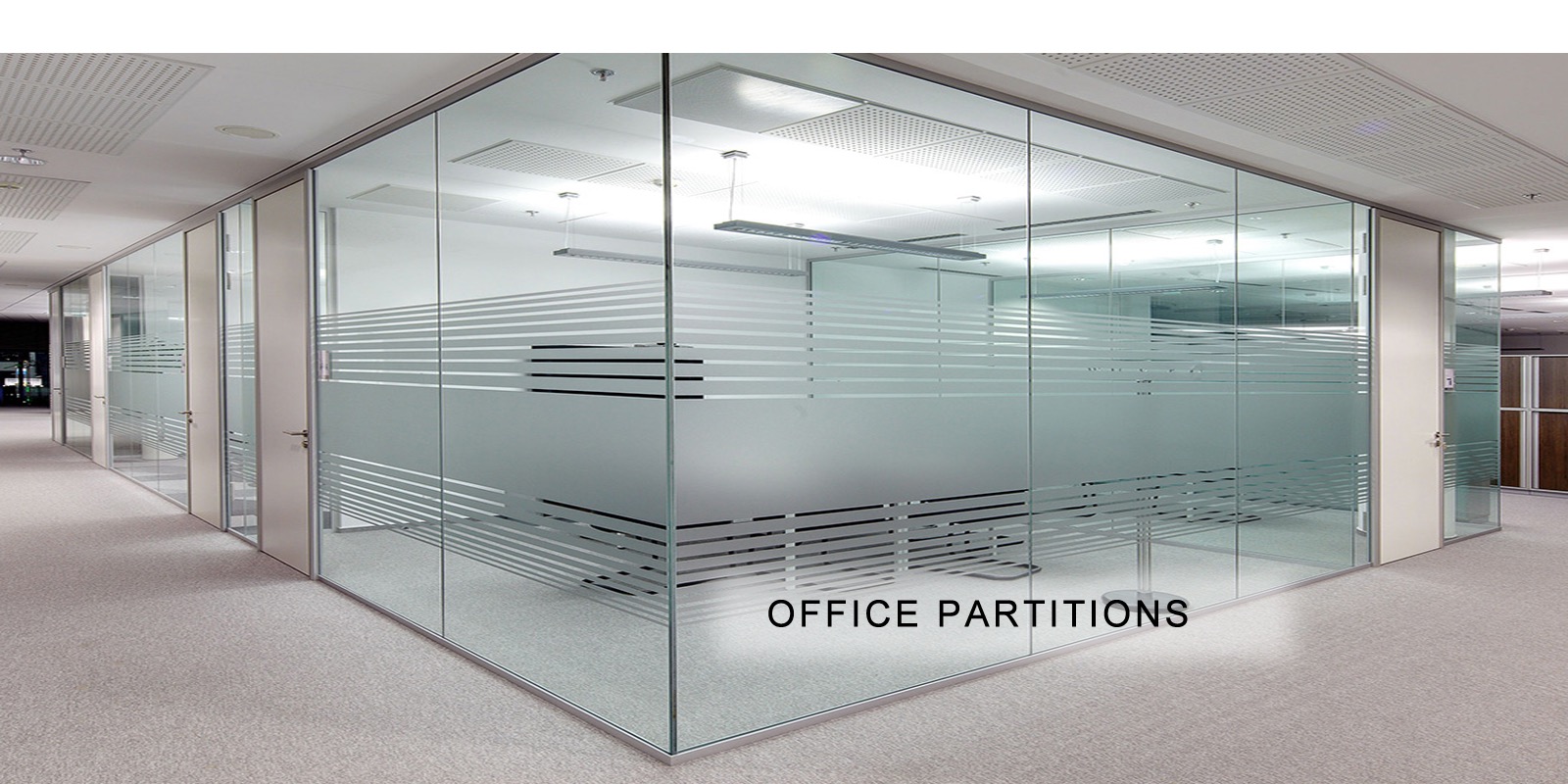
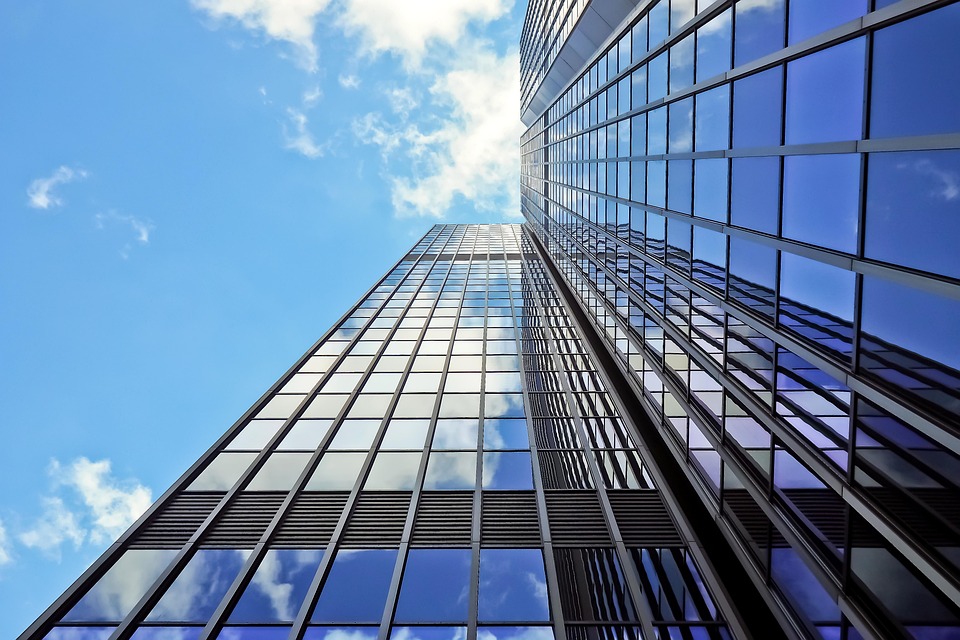
Kenya’s construction industry is entering a transformative decade. As cities expand vertically and architectural expectations rise, glass is no longer viewed as a decorative add-on but as a critical structural and performance material. The future of glass in Kenyan construction will be shaped by urban density, energy efficiency demands, safety concerns, and technological innovation.
Protect Your Home or Business with Tough, Durable Glass!
Upgrade to toughened or laminated glass today and enjoy enhanced safety, strength, and style.
Call us now: 0722 724 893
Visit us: Golden Moon Star Building, Ground Floor, Junction of Kilimani Rd & Ndemi Rd, Kilimani
Email: info@toughglasskenya.com
Don’t wait for accidents — secure your windows and façades with Tough Glass Kenya!
From residential apartments in Nairobi to commercial developments across major towns, glass will play a defining role in how buildings look, perform, and endure.
1. Increased Use of Structural and Safety Glass
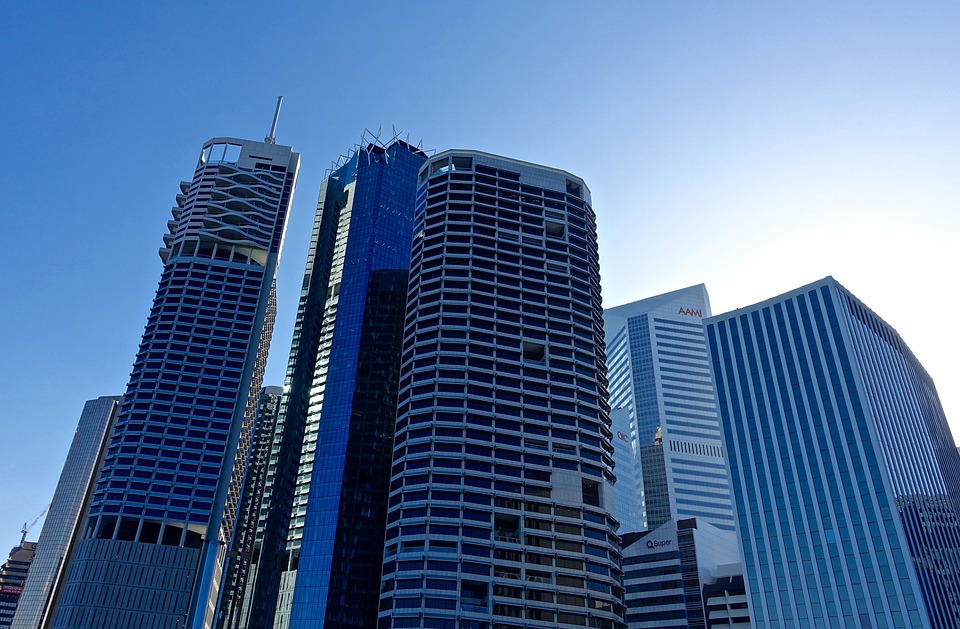
Over the next ten years, Kenya will see a clear shift away from ordinary annealed glass toward toughened and laminated glass as standard specifications, especially in urban developments.
This change is driven by:
- Larger window spans and glass façades
- Growth in high-rise residential and office buildings
- Increased awareness of safety and liability
Toughened glass offers significantly higher strength, while laminated glass provides impact resistance and holds together when broken. As building designs become bolder and more exposed, stronger glass will become non-negotiable, particularly for balconies, staircases, façades, and public spaces.
2. Energy-Efficient Glass Will Gain Importance
Kenya’s warm climate, especially in cities like Nairobi, Mombasa, and Kisumu, is influencing how buildings manage heat. In the coming decade, energy-efficient glass solutions will be increasingly adopted to reduce indoor heat gain and lower cooling costs.
Developers and homeowners are expected to prioritise:
- Solar control glass
- Low-emissivity (Low-E) glass
- Tinted and coated glass systems
As electricity costs rise and sustainability becomes a stronger consideration, glass will be used not just for visibility and aesthetics, but also as a tool for energy management.
3. Smart Glass and Technology Integration

While still a niche today, smart glass technology is likely to grow steadily in Kenya over the next decade, particularly in commercial buildings, hotels, hospitals, and luxury residences.
Smart glass allows users to control transparency, glare, and privacy electronically. Although costs remain relatively high, increased awareness and gradual price reductions could make it more accessible.
As building automation systems become more common, glass will increasingly integrate with:
- Lighting controls
- Climate management systems
- Security and privacy features
This signals a future where glass responds dynamically to its environment, rather than remaining a static material.
4. Stricter Safety Awareness and Compliance
Recent incidents involving vibration, wind pressure, and accidental impact have drawn attention to glass safety in Kenyan buildings. Over the next ten years, both regulators and clients are expected to place greater emphasis on proper glass specifications and professional installation.
Key trends will include:
- Greater use of safety glass in residential developments
- Increased scrutiny of glass thickness and fixing systems
- Higher expectations for installation quality
Insurance providers and property managers are also likely to influence this shift, as poorly specified glass poses safety and financial risks.
5. Sustainability and Green Building Influence

Kenya’s construction sector is gradually embracing sustainable building practices, and glass will be central to this transition. Green building standards encourage the use of materials that improve energy efficiency, daylighting, and indoor comfort.
Glass contributes to sustainability by:
- Allowing natural light, reducing reliance on artificial lighting
- Improving thermal performance when correctly specified
- Supporting modern ventilation and shading strategies
In the next decade, environmentally conscious projects will increasingly specify glass based on performance data, not just appearance.
6. Larger Panels and Minimalist Designs
Architectural trends in Kenya are moving toward clean lines, open spaces, and minimal framing. This has led to increased demand for larger glass panels, frameless systems, and seamless transitions between indoor and outdoor spaces.
While visually appealing, these designs place greater stress on glass and fixing systems. As a result, the industry will require:
- Higher manufacturing precision
- Improved installation techniques
- Better understanding of load distribution
Glass will continue to dominate modern aesthetics, but strength and engineering will determine success.
7. What This Means for Homeowners and Developers
For homeowners, developers, and investors, the future of glass in Kenyan construction presents both opportunities and responsibilities.
Key takeaways include:
- Investing in quality glass reduces long-term maintenance and replacement costs
- Proper specification is as important as the glass itself
- Professional installation will be critical as systems become more advanced
Glass decisions made today will affect building performance, safety, and value for decades to come.
Building the Future with Smarter Glass Choices

The next ten years will redefine how glass is used in Kenya’s built environment. As buildings become taller, more efficient, and more complex, glass will evolve from a design feature into a core performance material.
The future of glass in Kenyan construction lies in strength, safety, efficiency, and intelligent application. Those who adapt early — by choosing the right glass and the right expertise — will build structures that are not only beautiful, but resilient and future-ready.