
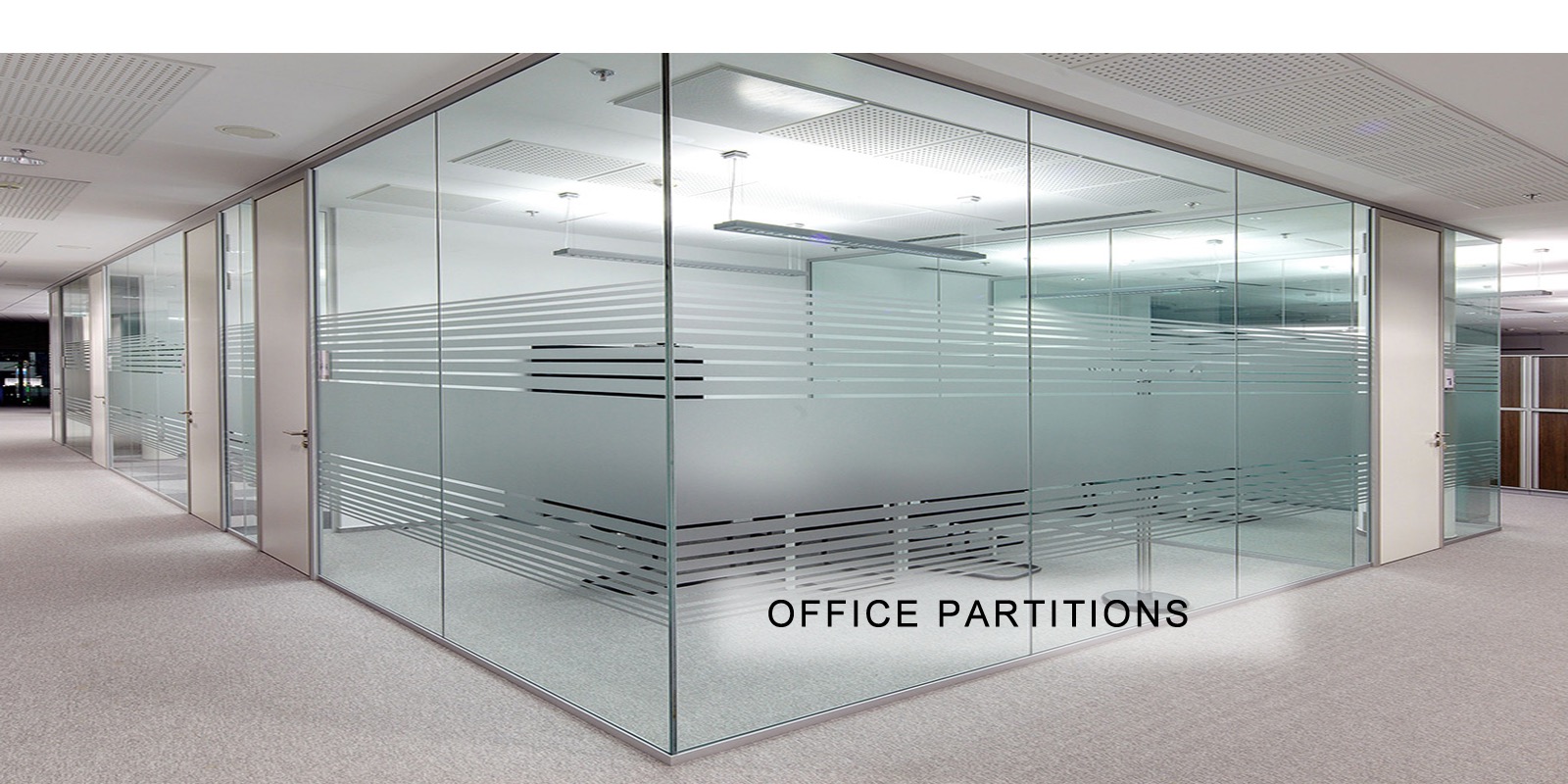

When planning a glass installation, most people naturally concentrate on the glass itself. They consider its thickness, appearance, transparency and whether it should be toughened or laminated. These are important decisions, but they are only part of the finished installation.
The fittings used with the glass can influence how the installation looks, functions and performs over time.
A beautiful glass panel fitted with unsuitable hinges, handles, brackets, channels or seals may not deliver the results expected. This is why glass fittings should be selected together with the glass, rather than treated as an afterthought.
Read Also: Shopfront Glass in Nairobi Kenya: How It Influences a Customer’s First Impression
Glass and Fittings Work as One System
Glass does not operate in isolation.
A glass shower door, balustrade, office partition or glass door depends on other components to hold, support, connect or move the glass. The fittings must therefore be appropriate for the type, thickness, size and intended application of the glass.
For example, the hardware required for a shower enclosure is different from that used for a glass balustrade. Similarly, fittings for an office partition may have completely different functional requirements from those used for a large glass door.
The right combination creates an installation that is not only attractive but also practical and durable.
The Weight of the Glass Matters
One of the most important considerations when selecting glass fittings is the weight of the glass.
Larger and thicker glass panels naturally place greater demands on the hardware supporting them. Hinges, brackets and other fittings need to be suitable for the dimensions and weight of the panel as well as the way it will be used.
This becomes particularly important with glass doors, where the hardware is repeatedly subjected to movement.
Choosing fittings simply because they look attractive, without considering the glass they will support, can result in poor performance over time.
The Type of Glass Also Matters
Different glass applications require different combinations of glass and hardware.
Toughened glass is commonly used in areas where safety and strength are important. Laminated glass has different characteristics and applications. Clear, tinted, frosted and other decorative glass options may also require different design considerations.
The choice of fitting should therefore follow the requirements of the complete installation.
This is one reason professional advice is valuable before ordering either the glass or the hardware separately.
Fittings Affect the Appearance of the Finished Installation
Hardware is not merely functional. It also contributes to the appearance of the finished glass installation.
A minimalist glass shower enclosure, for example, may benefit from carefully selected hinges and handles that complement its clean appearance. A glass balustrade may require brackets that provide adequate support without unnecessarily dominating the design.
For office partitions, doors and commercial interiors, the finish of the fittings can influence the overall character of the space.
Good design is therefore about making the glass and fittings work visually as well as technically.
Read Also: : Glass Shower Cubicles in Nairobi Kenya: Why They Turn Cloudy and How to Prevent It
Hinges Need to Match the Application
Hinges are particularly important for installations involving moving glass panels.
A shower door, office glass door or other hinged glass panel needs hardware designed for its particular application. The hinge must accommodate the glass and allow the door to operate properly without placing unnecessary stress on the panel.
Correct positioning and installation are equally important.
A quality hinge cannot compensate for incorrect installation, just as excellent glass cannot overcome poorly selected hardware.
Handles Are More Than Decorative
Handles may seem like one of the simplest parts of a glass installation, but they influence how people interact with the door.
The size, shape, finish and positioning of a handle should be appropriate for the door and its intended users. In frequently used commercial spaces, durability becomes particularly important.
For residential installations, the handle can also form part of the bathroom or interior design.
Selecting the right handle alongside the glass creates a more cohesive finished product.
Seals and Channels Help Complete the Installation
Some glass installations require seals, channels or other supporting components to achieve the desired performance.
In shower enclosures, for instance, seals can help control water movement around doors and joints. In other applications, channels and profiles can provide support, alignment or a clean finished edge.
These components may be less visible than the glass itself, but they can have a significant effect on the performance of the finished installation.
The Installation Method Should Influence the Selection
Another reason to choose glass and fittings together is that the installation method affects the hardware required.
A glass panel fixed directly to a wall may require different components from one supported by brackets or channels. A frameless installation may have different requirements from a framed system.
Before fabrication begins, the intended fixing method should therefore be established.
This helps ensure that holes, cut-outs, edges and other details are considered during glass processing rather than discovered after the glass has already been produced.
Poorly Matched Components Can Create Problems
When glass and fittings are purchased independently without professional coordination, several problems can arise.
The fittings may not be suitable for the glass thickness. Hardware may not adequately support the panel. Holes or cut-outs may be incorrectly positioned. The selected components may also fail to provide the appearance or functionality expected by the customer.
Correcting such problems after fabrication can be more complicated than making the right decisions at the beginning.
That is why glass installation planning should bring the glass and hardware decisions together.
A Complete Glass Solution Starts Before Fabrication
The best time to consider fittings is before the glass is fabricated.
At this stage, a glass specialist can consider the intended use, dimensions, glass specification, fixing method and hardware requirements. This allows the different components to be planned as one system.
It also helps reduce unnecessary alterations and ensures that the finished installation reflects the original design.
Whether it is a shower enclosure, glass door, balustrade, office partition or another architectural glass application, the details matter.
Read Also: Bathroom Design Trends in Kenya: Why Glass Shower Cubicles Are Defining Modern Homes in 2026
Tough Glass Kenya Looks at the Complete Installation
At Tough Glass Kenya, we understand that supplying quality glass is only one part of delivering a successful glass installation.
Our approach considers the relationship between the glass, fittings and intended application. From shower enclosures and glass doors to balustrades, office partitions and other architectural glass solutions, the components need to work together.
The right glass deserves the right hardware.
When glass and fittings are selected together from the beginning, the result can be cleaner in appearance, more functional and better suited to the demands of the space.
For glass solutions in Kenya, choosing the right combination of glass and fittings is an important step toward achieving an installation that performs as well as it looks.

