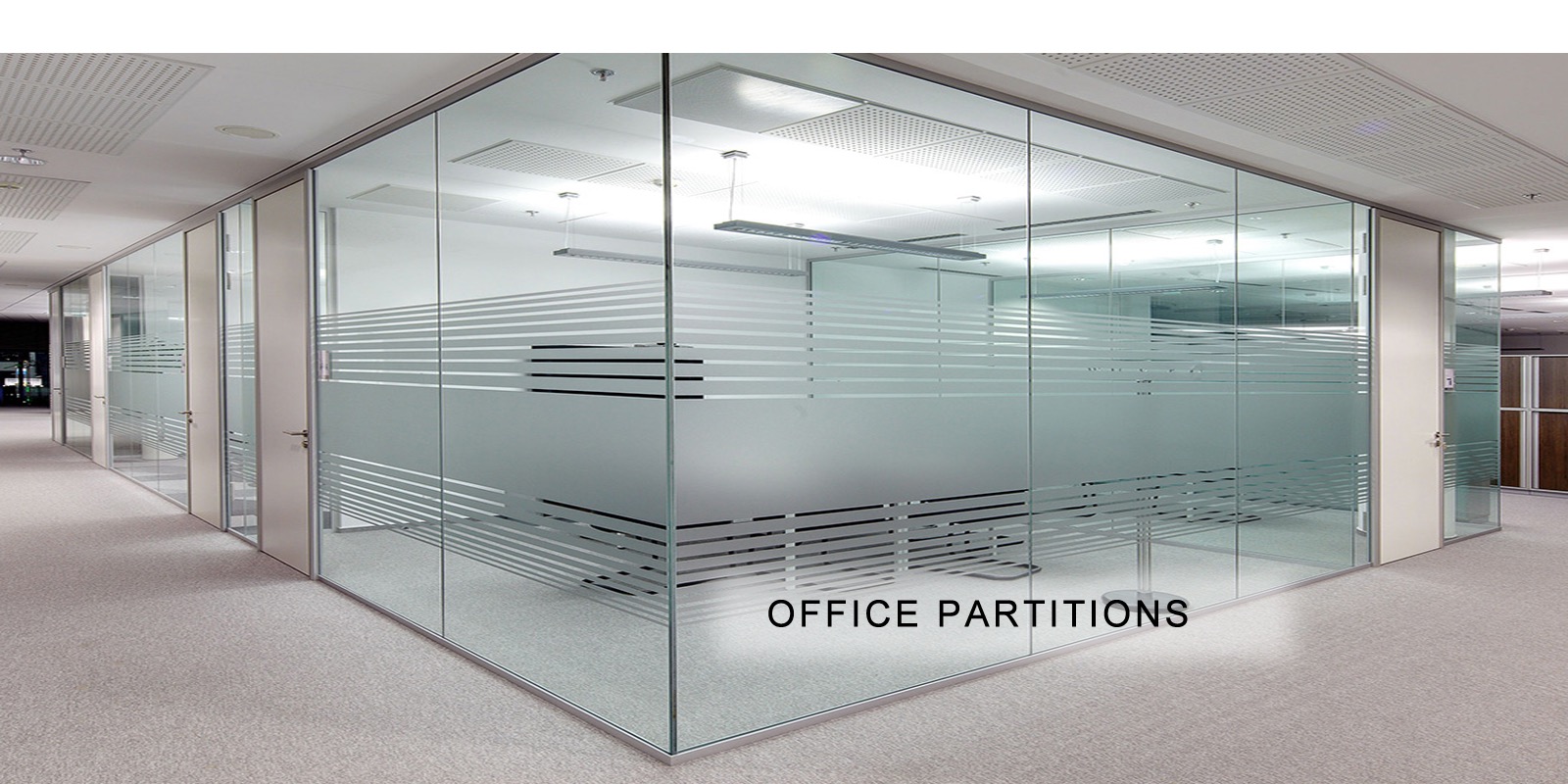
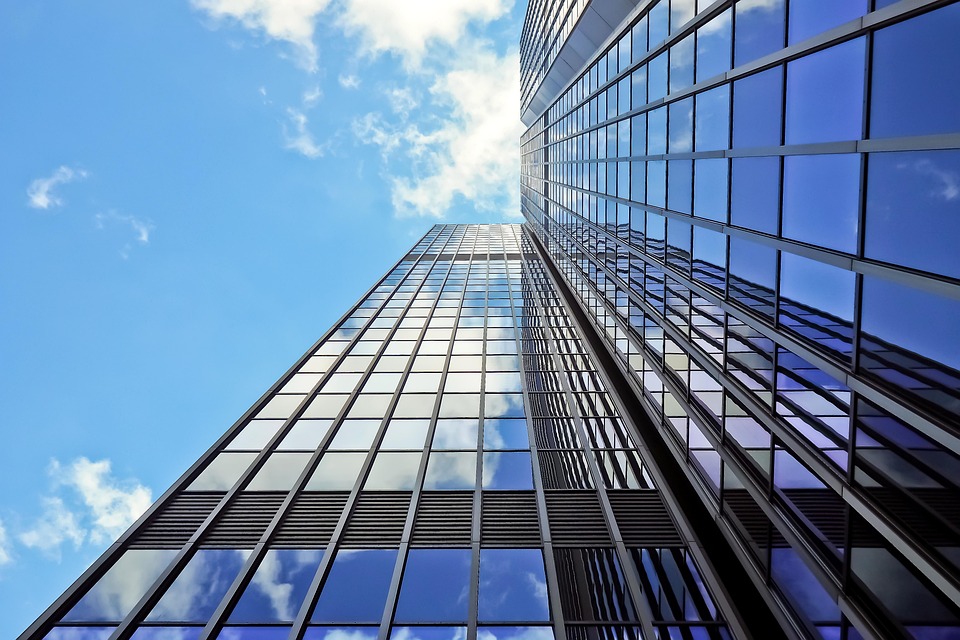
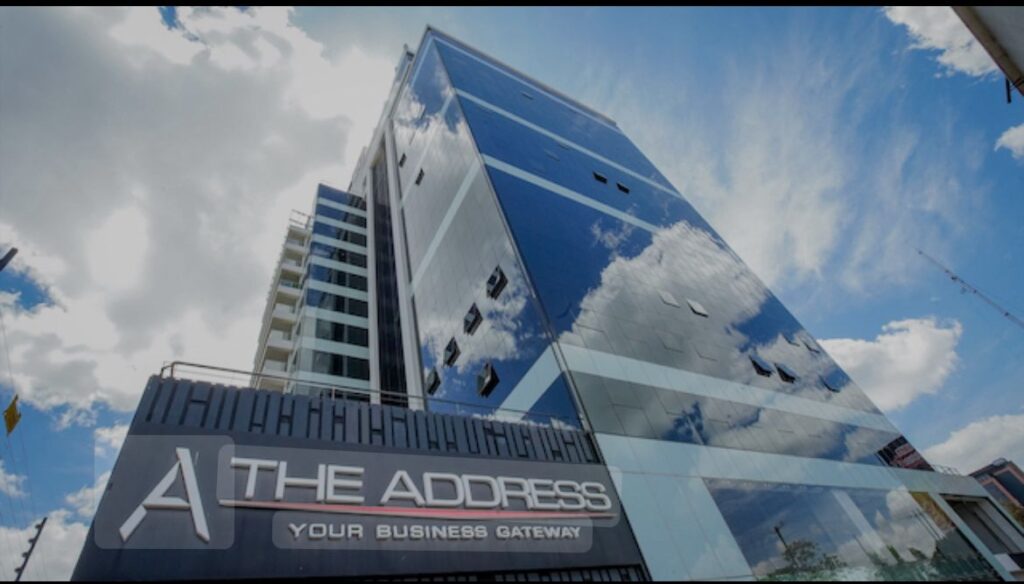
In Nairobi’s evolving skyline and Kenya’s modern commercial landscape, glass has moved far beyond traditional windows. Today’s architects and developers are embracing structural glass installation Nairobi and load bearing glass Kenya systems as integral construction materials — not only for aesthetics, but for performance, transparency, and structural capability. Structural glass transforms buildings into light-filled, open, and contemporary spaces without compromising safety or strength.
Structural Glass Walls in Nairobi Commercial Buildings

Structural glass walls are engineered systems where glass becomes part of the actual building structure. Unlike conventional glazed facades, structural glass can carry substantial load and serve as a primary architectural feature. Traditionally, glass acted mainly as a transparent infill within metal or concrete frames — but modern structural glass materials combine strength with visibility, allowing walls to bear significant stress while preserving natural light and openness.
In Nairobi, commercial buildings that embrace structural glass walls often showcase:
- Large, uninterrupted glass façades that maximize daylight
- Transparent boundaries between indoor and outdoor spaces
- Sleek, minimalist exteriors that convey innovation and prestige
The key to these systems is engineered glass — typically tempered and laminated — which is far stronger than regular glass and designed specifically for load-bearing applications.
Load-Bearing Glass Systems for Modern Architecture in Kenya
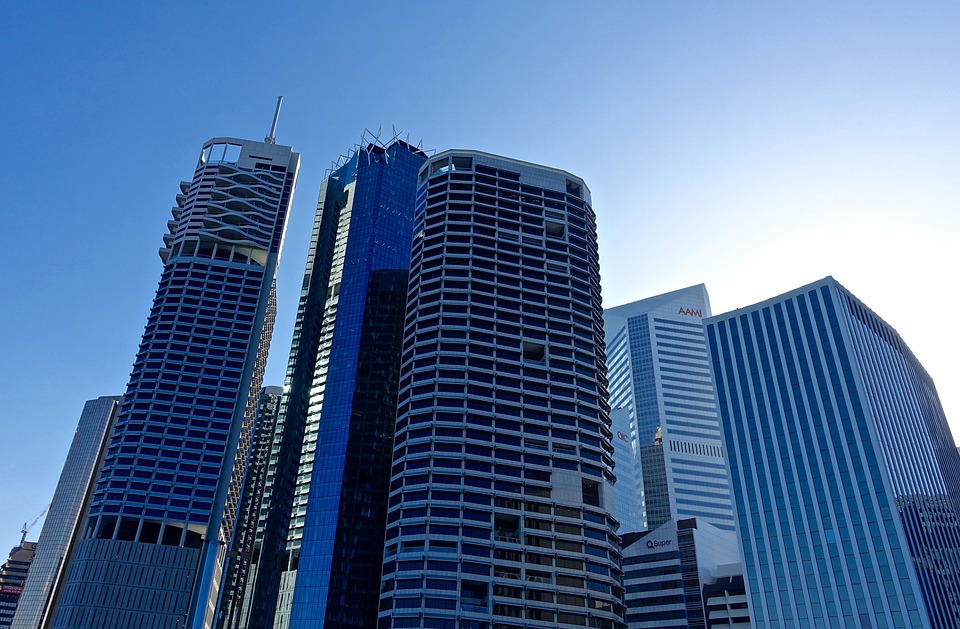
Load-bearing glass systems in Nairobi Kenya represent a significant shift in architectural engineering where glass elements play a genuine structural role, transferring loads safely to adjacent framing, columns, or structural supports. This differs from curtain wall systems, where glass typically only carries its own weight and external forces like wind.
Modern load-bearing glass applications include:
- Glass wall panels supporting floor slabs or roof edges
- Integrated glass beams or fins that carry lateral or vertical loads
- Engineered glass columns or beam elements in façade systems
These load-bearing glass systems require detailed engineering analysis and specialist installation, but they unlock design possibilities that traditional materials cannot match — creating structural transparency and connecting interior spaces with exterior views in a way that enhances occupant experience.
Glass Floors and Staircases in Luxury Developments Nairobi
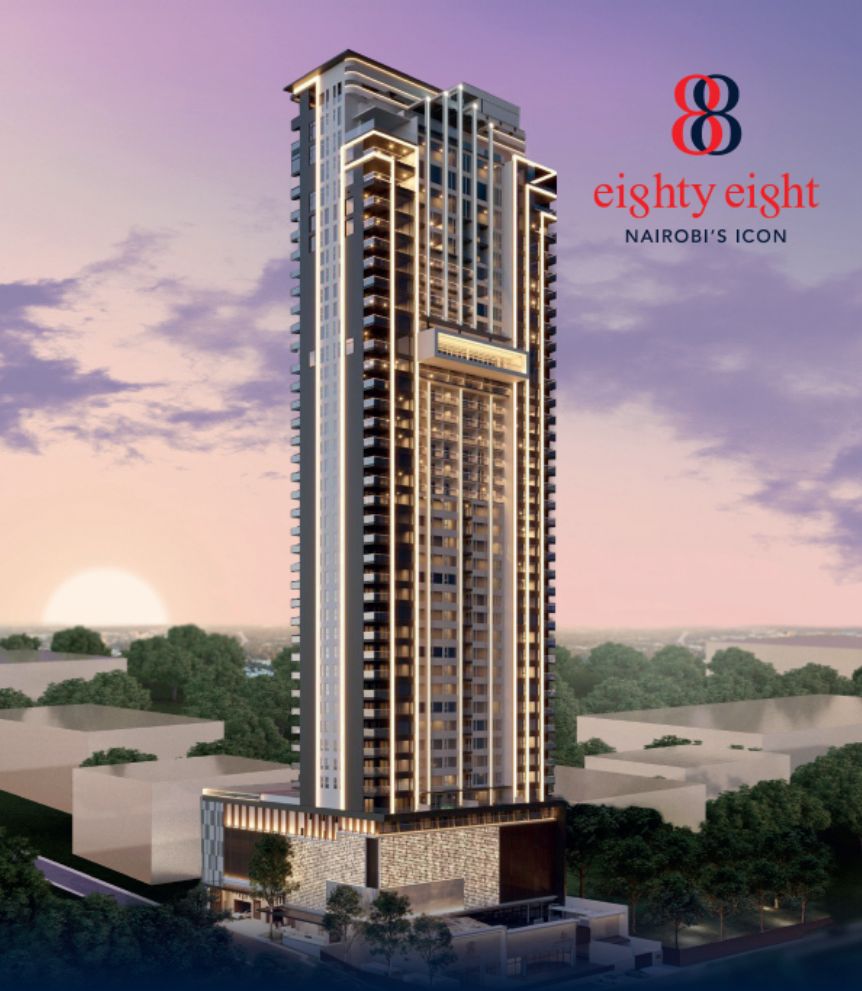
One of the most dramatic expressions of structural glass is in glass floors Nairobi and glass staircases Kenya — architectural features that seem to defy gravity while maintaining strict safety standards.
Glass flooring systems are made from multi-laminated, toughened glass panels designed to carry human traffic and support structural loads with engineered backing systems. They are tested to resist impact, bending, and vibration, and often include anti-slip treatments to enhance safety.
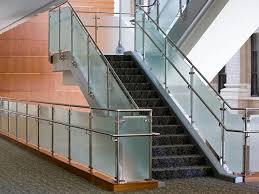
Likewise, glass staircases in luxury developments create striking focal points that flood interiors with light and preserve unobstructed sightlines between floors. These staircases operate much like structural beams — engineered to handle significant loads while remaining visually light and elegant.
Glass Canopies and Awnings for Retail Buildings in Nairobi
Glass canopies Nairobi are modern architectural features that offer shelter while preserving visual openness. Often used above building entrances, walkways, and retail façades, glass canopies combine minimalist aesthetics with engineered strength.
These structures are not merely decorative — they’re designed to resist environmental loads like wind and thermal expansion, and in many cases laminated glass is selected to ensure impact resistance and safety. The transparency of glass canopies invites natural light while shielding occupants from rain or sun, enhancing both comfort and visual appeal.
Why Structural & Load-Bearing Glass Matters in High-Value Construction
In high-value commercial projects — whether office towers, luxury retail, or mixed-use developments — structural and load-bearing glass systems offer several compelling advantages:
Transparency and Light: Large structural glass installations maximize natural light, creating open, inviting interiors that improve occupant well-being and reduce reliance on artificial lighting.
Aesthetic Impact: These systems deliver sleek, modern aesthetics with minimal visual obstruction — especially valuable in corporate environments and premium retail spaces.
Strength and Safety: Structural glass is engineered to meet stringent safety standards, using tempered and laminated assemblies that maintain integrity under load and resist breakage.
Design Flexibility: From glazed walls to transparent floors and canopies, load-bearing glass enables architectural creativity that conventional materials struggle to match.
Structural and load-bearing glass solutions are reshaping Kenya’s architectural identity, particularly in bustling urban centers like Nairobi. From structural glass installation Nairobi in commercial façades to glass floors Nairobi, glass staircases Kenya, and glass canopies Nairobi, these systems blend structural performance with cutting-edge design.
When engineered and installed correctly, structural glass creates buildings that are safer, brighter, and visually striking — delivering both functional value and lasting impression in high-value construction contexts.