Across Kenya—and particularly within the rapidly densifying urban landscape of Nairobi—ecclesiastical architecture is undergoing a profound shift. The traditional “fortress” style of heavy masonry and limited ventilation is being replaced by modern glass architecture in Kenya. This movement toward high-performance glazing is redefining how worship spaces interact with the environment, creating sanctuaries that are spiritually uplifting and operationally efficient.
The Strategic Shift to Glass Architecture in Nairobi

This transition is more than a mere aesthetic choice; it is a response to rising energy costs, the psychological benefits of biophilic design, and the technical requirements of modern digital ministry. Leading real estate developers in Nairobi and church committees are increasingly prioritizing transparency and light as core design principles.
1. Advanced Skylight Systems and Daylighting
One of the most transformative features of modern church designs in Kenya is the integration of skylights. In large auditoriums where lateral windows cannot reach the center, skylights provide essential illumination.
- Energy Efficiency: By maximizing daylight, churches significantly reduce KPLC electricity costs. +1
- Thermal Control: The use of Low-E (low-emissivity) glass ensures that light enters while heat is reflected, maintaining a cool interior. +1
- Acoustic Comfort: Professional glass installation in Nairobi utilizes laminated glass to dampen the sound of heavy tropical rainfall, ensuring zero disruption during services.
2. High-Capacity Auditoriums and Curtain Wall Systems
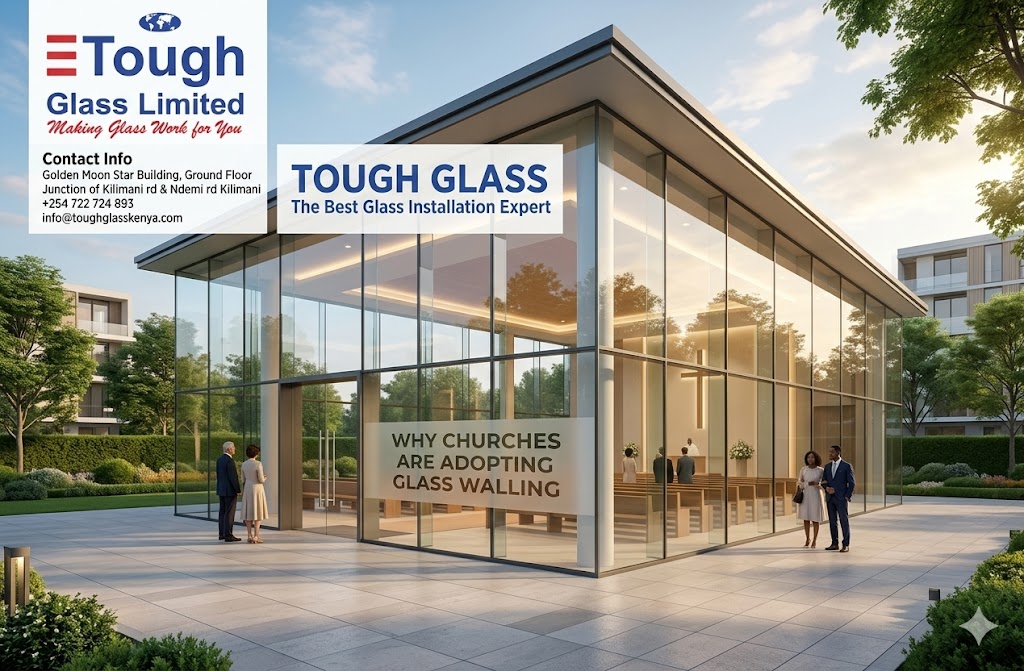
As congregations grow, the demand for column-free, high-capacity sanctuaries in urban hubs like Westlands, Upper Hill, and Kilimani has surged. Curtain wall systems offer a lightweight, non-structural outer covering that provides both protection and structural elegance.
These systems allow for a “borderless” feel, connecting the interior worship space with the surrounding landscape, which is particularly effective for luxury church developments in areas like Karen and Runda.
Enhancing the Worship Experience Through Transparency
The integration of natural light is a core tenet of biophilic design. In a theological context, this transparency symbolizes “openness” and “divine truth,” fostering a deeper connection for the congregants.
3. Digital Ministry and Visual Quality
For many Kenyan churches that live-stream to global audiences, natural light provides a high Color Rendering Index (CRI). Professional glass façade installation in Nairobi ensures that cameras capture true-to-life colors without the “flicker” associated with older artificial lighting, enhancing the quality of digital ministry.
4. Frameless Glass Entrances: Modern First Impressions
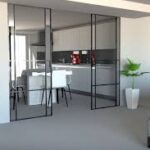
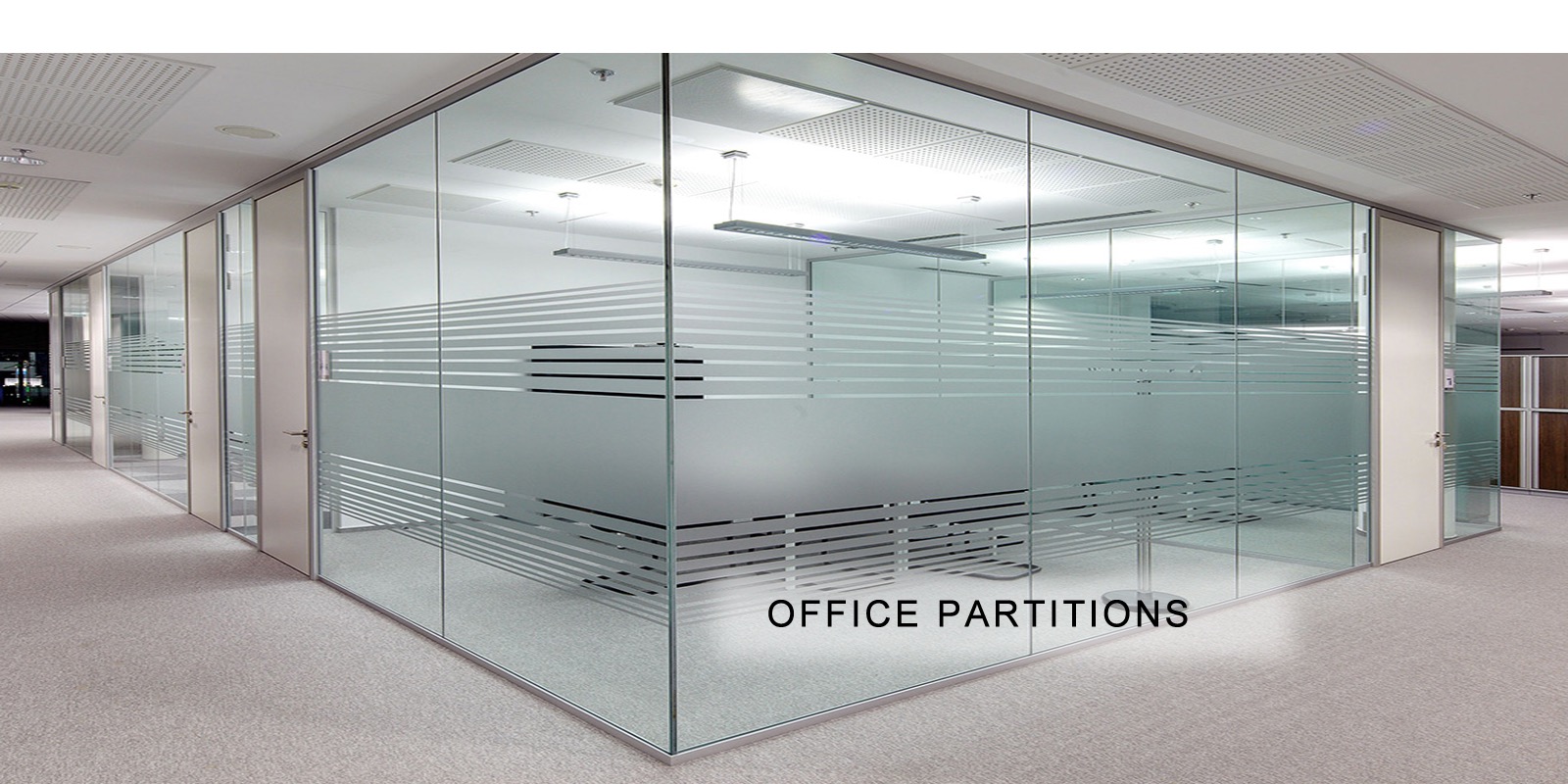
The entrance sets the tone. Modern churches are investing in frameless glass doors and aluminium and glass partitions to create a welcoming, contemporary atmosphere. These systems typically use 10mm to 12mm toughened glass, which is four to five times stronger than standard glass, ensuring maximum safety for high-traffic public spaces.
Technical Execution: The Role of Specialized Contractors
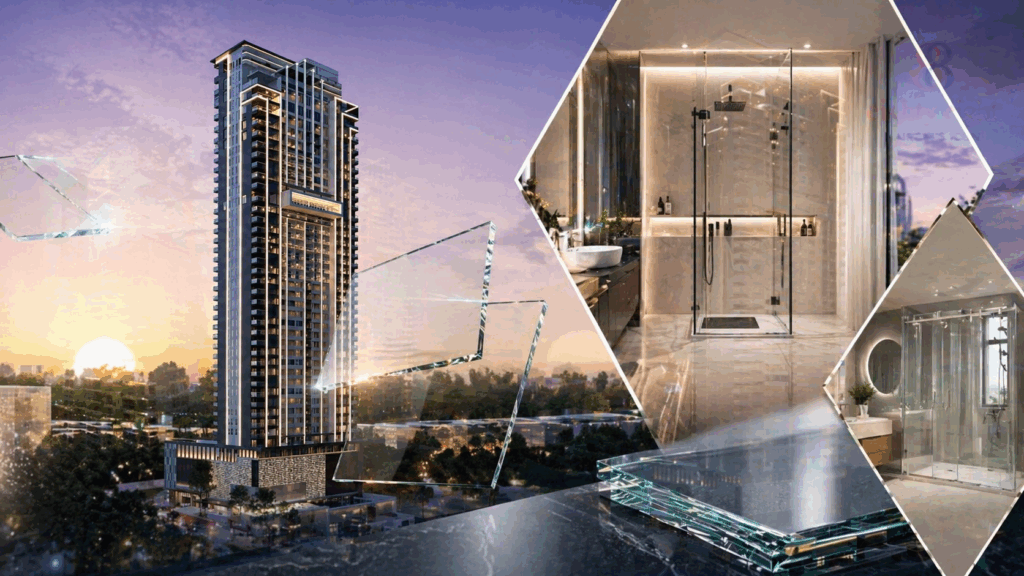
The success of these architectural statements depends on precision engineering. This is where specialized glass contractors in Kenya, such as Tough Glass Kenya, play a vital role. Key technical considerations include:
- Wind Load Analysis: Essential for high-rise glass structures in Nairobi’s windy corridors.
- Solar Heat Gain Coefficient (SHGC): Choosing tints that prevent the “greenhouse effect” in the equatorial sun.
- Structural Silicone Glazing: Ensuring long-term durability and weatherproofing.
Conclusion: Shaping the Future of Worship in Kenya
The shift toward glass architecture represents a landmark moment in real estate in Nairobi, Kenya. By integrating high-performance skylights, expansive curtain wall systems, and frameless glass entrances, modern churches are successfully bridging the gap between sacred tradition and contemporary innovation.
These design choices do more than just improve a building’s profile on the Nairobi skyline; they offer tangible benefits in energy efficiency, digital broadcast quality, and the psychological well-being of the congregation. As urban centers like Westlands, Kilimani, and Upper Hill continue to densify, the demand for transparent, light-filled, and versatile worship spaces will only grow.
Ultimately, the successful implementation of these projects hinges on technical precision. Partnering with expert glass contractors in Kenya—specialists who understand the nuances of wind load analysis and toughened glass installation—ensures that these architectural statements remain safe, durable, and inspiring for generations to come.