
Sustainability is no longer optional in Nairobi’s construction industry. From luxury apartments in Kileleshwa to commercial towers in Westlands, developers and architects are asking: “How eco-friendly is our building material?”
Glass is often perceived as energy-intensive and fragile, but the reality is more nuanced. To answer whether glass is sustainable, we need to consider its recyclability, lifecycle energy use, and long-term benefits.
The Lifecycle of Glass in Nairobi Buildings

Data from global building sustainability audits shows that glass can last 25–40 years in commercial façades and 15–20 years in interior partitions, with minimal performance degradation when properly installed.
Compared to other façade materials:
| Material | Typical Lifespan | Recyclability |
|---|---|---|
| Glass (toughened/laminated) | 25–40 years | 100% recyclable |
| Aluminium composite panels | 20–25 years | ~75% recyclable (energy-intensive) |
| Painted steel | 15–20 years | 60–70% recyclable |
| Timber cladding | 10–15 years | Biodegradable but not easily reusable |
Using toughened glass lifecycle Nairobi data, developers can see that durable glass reduces replacement frequency, which directly decreases resource consumption over the building’s life. This makes it one of the most reliable sustainable building materials Nairobi.
Recyclability and Material Efficiency
Glass is fully recyclable without loss of quality. Broken or obsolete panels can be crushed and remade into new glass sheets, tiles, or insulation products.
Industry data suggests:
- Recycling 1 ton of glass saves ~315 kg of CO₂ compared to producing new glass from raw silica.
- In Nairobi, using recycled glass in construction Nairobi projects is growing slowly but offers measurable environmental benefits.
For instance, a 10‑story office tower in Upper Hill used recycled laminated glass for interior partitions and achieved a 15% reduction in embodied carbon, proving that eco-friendly glass installation Kenya projects are both feasible and cost-effective.
Energy Efficiency Benefits
Modern glass technologies further enhance sustainability:
- Low-E coatings reduce heat gain and cooling load.
- Double or triple glazing minimizes energy loss in Nairobi’s mixed climate.
- Tinted or reflective laminated glass reduces solar glare while maintaining daylighting, cutting electricity usage.
Lifecycle studies show that energy-efficient glass Nairobi installations can offset their initial embodied energy in 5–7 years, depending on the building type and climate.
Long-Term Benefits in the Nairobi Context

Sustainability is not just about energy or recycling — it’s about long-term performance and adaptability:
- Longevity: Properly installed toughened or laminated glass lasts decades with minimal maintenance.
- Versatility: Glass can be reused in renovations, reducing demand for new materials.
- Daylighting: Optimized glass improves natural light, reducing electricity usage and improving occupant wellbeing.
This makes it ideal for both Nairobi commercial construction green materials and Nairobi residential green construction projects, where long-term resource efficiency is a priority.
Practical Takeaways for Developers and Architects
For projects in Nairobi aiming for sustainability:
- Choose recycled glass suppliers Nairobi to source environmentally responsible materials.
- Specify laminated glass sustainability Nairobi and toughened glass for long-term performance.
- Use energy-efficient glass Nairobi to cut operational energy costs.
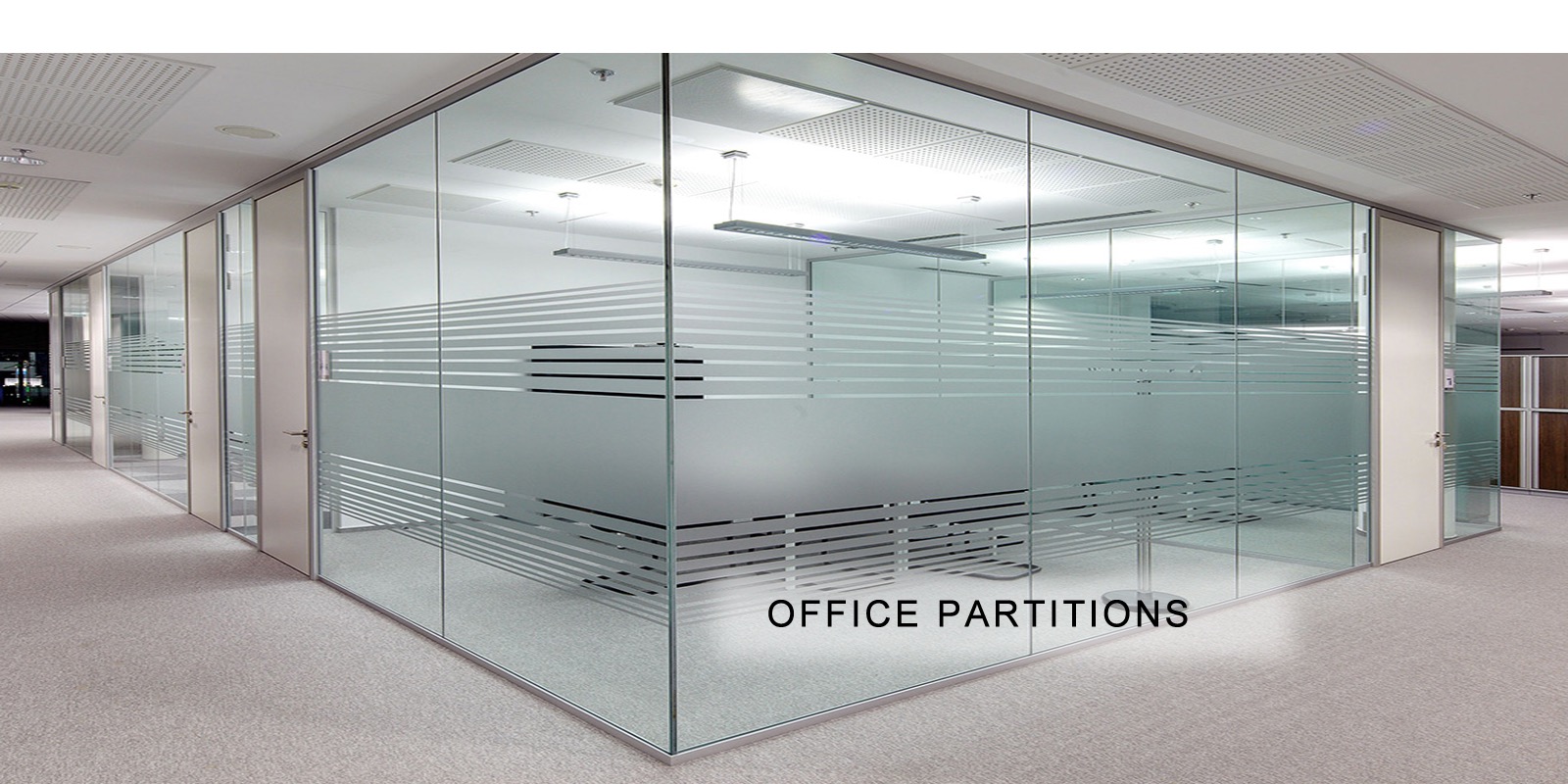
- Incorporate glass into sustainable office partitions Nairobi to reduce material waste in renovations.
- Track embodied carbon and select materials aligned with green building materials Kenya guidelines.
Conclusion
Glass is undeniably a sustainable building material when evaluated across lifecycle, recyclability, and long-term benefits. In Nairobi, adopting sustainable building materials Nairobi, eco-friendly glass installation Kenya, and energy-efficient glass Nairobi strategies supports green construction goals, reduces replacement costs, and contributes to Kenya’s environmental objectives.
By integrating toughened glass lifecycle Nairobi, laminated glass sustainability Nairobi, and sourcing from recycled glass suppliers Nairobi, developers, architects, and property managers can ensure their projects are not only modern but also environmentally responsible.