
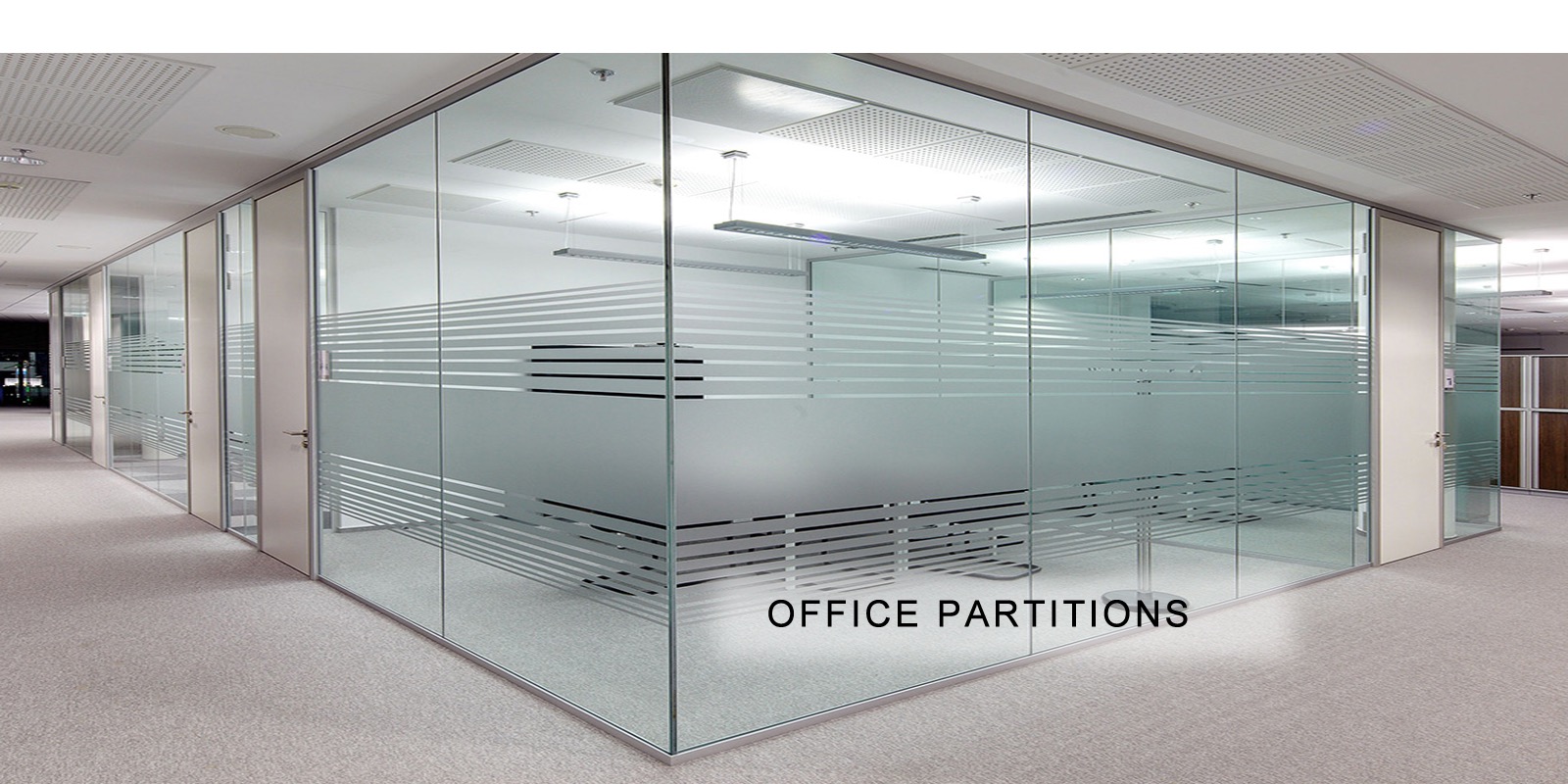

Kenya’s job market is undergoing a quiet transformation, with skilled trades steadily gaining ground over traditional white-collar paths. One of the most notable shifts is happening in the construction sector, where glass installation is emerging as a high-income, in-demand skill. As modern architecture leans heavily toward glass-heavy designs, the need for precision, expertise, and reliability has never been greater—especially in fast-growing urban hubs like Nairobi.
At Tough Glass Kenya, we see this shift firsthand through our work across Nairobi and beyond. The growing demand for quality glass solutions is not just reshaping buildings—it is elevating glass installation into a specialized, high-value trade that plays a central role in today’s construction landscape.
The Rise of Glass in Modern Construction

Contemporary buildings in Kenya are increasingly defined by their use of glass. From sleek office partitions to expansive balconies and façades, glass is now central to both aesthetics and functionality. Developers are moving away from heavy, enclosed designs toward open, light-filled spaces that appeal to today’s buyers and tenants.
This architectural shift has made glass installation more technical and more critical. It is no longer just about fitting panes into frames—it involves precision, alignment, and structural awareness. As a result, the demand for skilled technicians has grown significantly.
What Glass Installers Actually Do
Glass installation today covers a wide range of applications, many of which require specialized handling and finishing. A competent installer is expected to deliver both structural integrity and visual perfection.
Some of the most common areas of work include:
- Residential window and balcony installations
- Office glass partitions and fit-outs
- Frameless shower cubicles and interior finishes
- Curtain wall systems for commercial buildings
Each of these requires a different level of expertise, and those who master multiple areas tend to command higher pay.
Income Potential: How Much Can You Earn?

One of the main reasons this trade is gaining attention is its earning potential. Unlike many entry-level white-collar jobs, income in glass installation grows directly with skill and experience. Beginners may start with modest daily wages, but as they gain competence and reputation, their daily rates increase significantly.
Highly skilled technicians—especially those working on complex or high-rise projects—can earn incomes that rival or exceed salaried professionals. Those who run their own small teams or businesses often scale even faster, taking on multiple contracts at once.
Why This Trade Pays More Than Others
Not all construction jobs are valued equally, and glass installation stands out for several reasons. It combines technical precision with a level of risk that naturally increases its market value.
Key factors driving higher pay include:
- The need for accuracy and specialized handling
- Increased safety risks compared to general labor
- Growing demand for modern, high-end finishes
- A limited pool of truly skilled technicians
Because of this, clients are often willing to pay more for installers who can deliver clean, reliable work without costly mistakes.
How to Get Started in Glass Installation

Entering this field does not require a university degree, which makes it accessible to many young Kenyans. Most professionals build their skills through hands-on experience, often starting as apprentices under experienced fundis. Others choose formal training through vocational institutions regulated by the Technical and Vocational Education and Training Authority.
What ultimately matters is practical ability. In this trade, your work speaks louder than your certificates, and consistent quality quickly translates into repeat business and referrals.
Business Opportunities in Glass and Aluminium
Beyond employment, glass installation offers strong entrepreneurial potential. With relatively low startup costs, skilled individuals can branch out into small-scale contracting and gradually build a client base.
As urban construction expands beyond city centers into surrounding areas, opportunities are increasing not just in Nairobi but also in emerging towns and residential zones. Those who position themselves early, maintain quality standards, and build a strong reputation are likely to benefit the most.
Challenges That Create Opportunity
Like many informal-sector trades in Kenya, the glass installation industry faces issues such as inconsistent pricing, untrained competitors, and safety concerns. However, these challenges also create a gap in the market.
Professionals who invest in proper tools, training, and branding can distinguish themselves from low-cost competitors. In a market where trust and reliability are often lacking, consistency becomes a powerful advantage.
The Future of Glass Installation in Kenya

The trajectory of this trade points upward. As Kenya continues to urbanize and adopt modern architectural styles, the use of glass will only increase. This means sustained demand for skilled installers and continued growth in earning potential.
Glass installation is no longer just a manual job—it is a specialized trade with real financial upside. For those willing to master the craft, it offers a clear path to stable income and long-term growth in an evolving economy.
As Kenya’s built environment continues to evolve, the importance of skilled glass installers will only grow. What was once seen as a routine construction task is now a craft that demands precision, experience, and a strong understanding of modern design. For individuals, it presents a pathway to sustainable, high-income work; for developers and homeowners, it underscores the need to work with professionals who can deliver both safety and quality.
At Tough Glass Kenya, we are proud to be part of this transformation—offering professional glass installation services across Nairobi and beyond while helping to raise standards within the industry. As demand continues to rise, the future belongs to those who combine technical skill with consistency and professionalism.