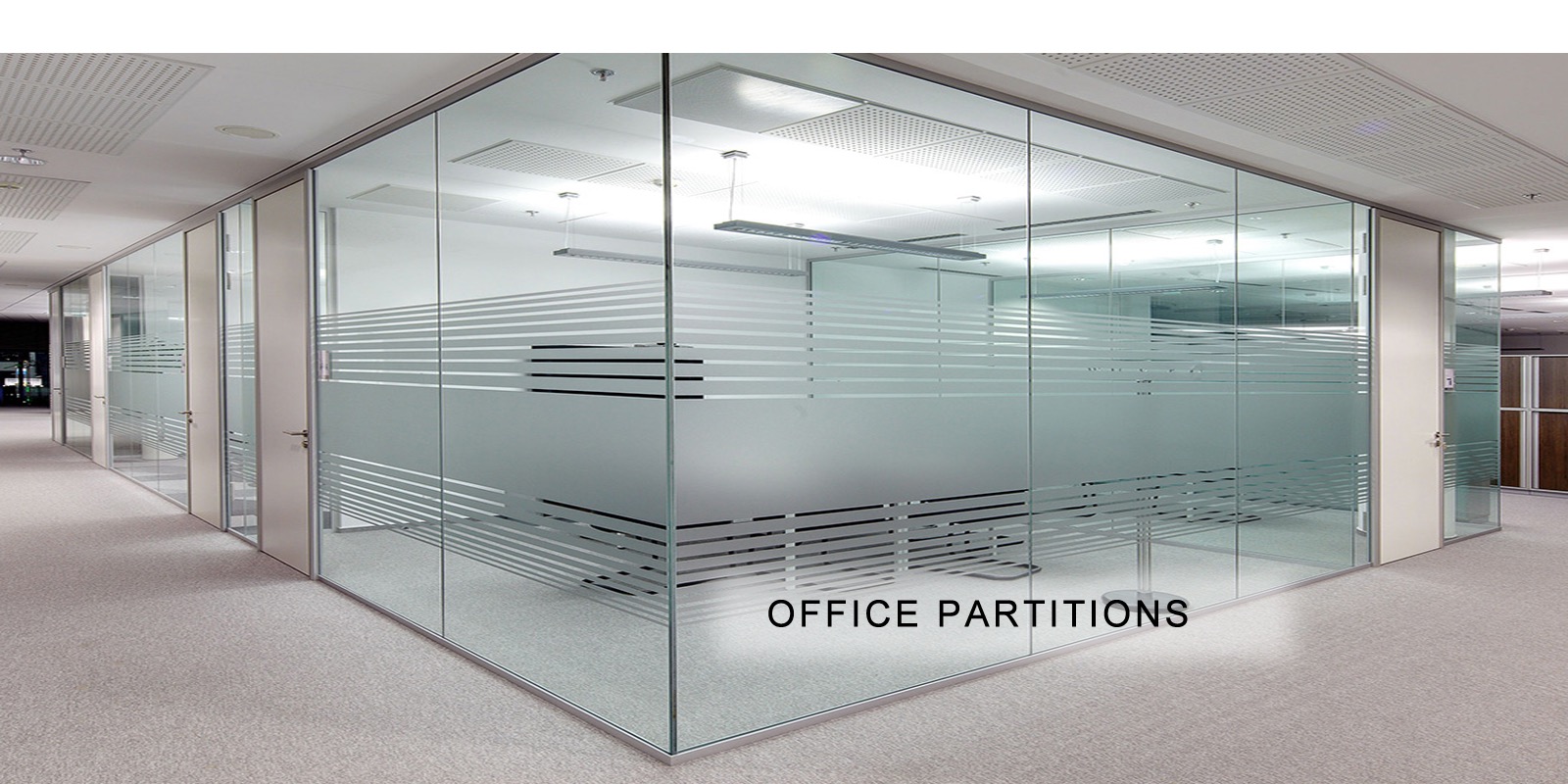
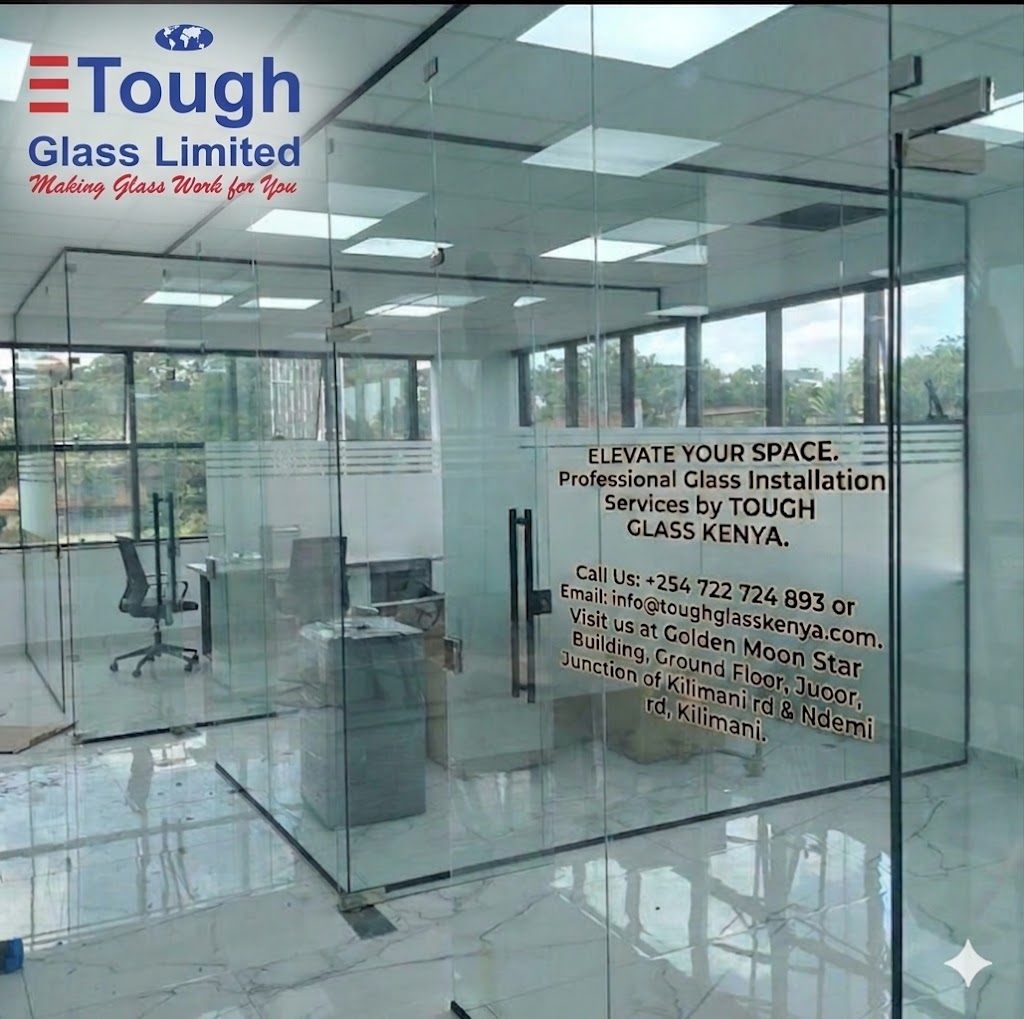
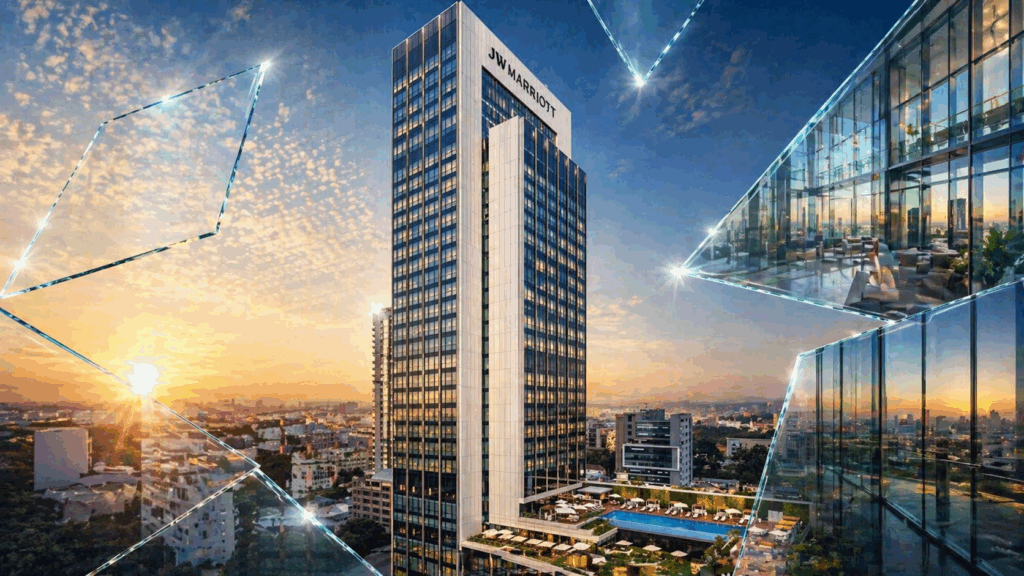
Kenya’s construction industry continues to evolve rapidly, with modern apartments, office towers, malls, hotels, and luxury homes increasingly relying on architectural glass for aesthetics, lighting, and energy efficiency. From glass facades in Nairobi’s commercial districts to frameless office partitions and shower cubicles in residential developments, demand for quality glass installation in Kenya has grown significantly—creating steady growth for experienced installers such as Tough Glass Kenya, alongside other industry players serving both residential and commercial projects.
However, behind this growth lies an important industry conversation: the rising impact of global supply chains and imported construction materials on pricing, sourcing, and project timelines.
According to the Kenya National Bureau of Statistics (KNBS), Kenya’s Construction Input Price Indices (CIPI) have shown ongoing fluctuations in building material costs across multiple construction categories. KNBS reports indicate that materials, transport, fuel, and imported components continue to influence overall construction costs in the country.
For property developers, contractors, architects, and homeowners, these changes are directly affecting decisions around glass installation, aluminium systems, and finishing quality.
Kenya’s Growing Dependence on Modern Glass Systems

Modern Kenyan architecture increasingly favors:
- Glass facades
- Curtain wall systems
- Frameless office partitions
- Glass balustrades
- Shower cubicles
- Skylights and canopies
- Sliding glass doors
This trend is especially visible in areas such as Kilimani, Westlands, Upper Hill, Karen, and along Kiambu Road, where developers are prioritizing natural lighting, modern aesthetics, and energy-efficient designs.
Many of the specialized glass fittings, aluminium profiles, sealants, and hardware systems used in these projects are imported from international markets including China, Turkey, India, and the Middle East. As a result, fluctuations in shipping costs, exchange rates, taxes, and international manufacturing conditions can directly impact local project pricing.
Industry reports and commentary have repeatedly pointed to Kenya’s reliance on imported construction materials as one factor influencing construction costs.
How Imports Affect Glass Prices in Kenya

Several factors are currently shaping glass pricing in the Kenyan market:
1. Exchange Rate Fluctuations
Imported architectural glass and fittings are heavily influenced by currency exchange rates. When the Kenyan shilling weakens against major global currencies, imported materials become more expensive.
This affects:
- Toughened glass systems
- Aluminium framing
- Sliding door accessories
- Premium glass hardware
- Specialized façade systems
Developers often experience project cost adjustments when exchange rates shift significantly during construction periods.
2. Shipping and Logistics Costs
Global shipping disruptions over recent years have increased freight and logistics costs across the construction sector. Delays at ports, rising container charges, and transport costs can affect the availability of imported glass systems and fittings.
KNBS construction input reports continue to track transport and fuel fluctuations as key cost drivers within Kenya’s construction industry.
3. Rising Demand for Modern Architectural Finishes
Kenya’s urban real estate boom is driving demand for premium finishes in both residential and commercial developments.
Today’s buyers increasingly expect:
- Larger windows
- Modern office interiors
- Frameless glass installations
- Luxury bathroom finishes
- Natural lighting solutions
As demand rises, so does pressure on sourcing quality materials that meet both aesthetic and safety standards.
Why Quality Sourcing Matters in Glass Installation

One of the biggest mistakes in the construction industry is prioritizing low prices over quality sourcing and professional installation.
Substandard glass systems can lead to:
- Cracking and breakage
- Water leakage
- Poor insulation
- Hardware failure
- Unsafe installations
- Increased maintenance costs
This is why developers and homeowners are increasingly seeking experienced glass installation companies that understand both product quality and proper installation standards.
In Kenya’s competitive construction environment, professional workmanship is becoming just as important as the materials themselves.
Local Expertise Still Matters
While many materials may be imported, successful projects still depend heavily on local expertise, proper measurements, structural understanding, and installation quality.
That is where companies like Tough Glass Kenya continue to play an important role in the market.
As a Kenyan glass installation specialist, Tough Glass Kenya provides solutions including:
- Glass facades
- Office glass partitioning
- Frameless glass doors
- Shower cubicles
- Glass railings and balustrades
- Aluminium and glass works
- Commercial glazing systems
Beyond installation, local experts help developers navigate sourcing decisions, safety considerations, durability requirements, and design compatibility for Kenyan environmental conditions.
This becomes especially important as developers balance affordability, durability, aesthetics, and long-term maintenance costs.
Local vs Imported Glass Systems: What Should Developers Consider?
The discussion should not simply be “local versus imported.” Instead, developers should focus on:
- Product quality
- Safety compliance
- Durability
- Installation standards
- Supplier reliability
- Long-term value
Many successful Kenyan projects combine imported systems with local fabrication expertise and professional installation.
The key is working with experienced contractors who understand the technical demands of modern glass systems.
The Future of Glass Installation in Kenya
Kenya’s construction sector is expected to continue embracing modern glass architecture as urban development expands.
According to KNBS construction data, building input trends continue to evolve alongside changing market demands and construction technologies.
As Nairobi and other urban centers grow, glass will remain central to:
- Commercial architecture
- Modern apartments
- Hospitality projects
- Corporate office design
- Luxury residential developments
For developers and homeowners alike, the focus is increasingly shifting toward quality, safety, energy efficiency, and professional installation.
And in a market where poor workmanship can become extremely costly, experienced local companies such as Tough Glass Kenya are helping bridge the gap between global architectural trends and reliable local execution.