
To the untrained eye, all glass looks relatively the same—sleek, transparent, and modern. But in the fast-evolving Nairobi construction landscape, architectural trends are pushing for larger glass facades, floating balconies, and elegant frameless shower cubicles. This shift demands a material that offers more than just aesthetic appeal; it requires structural integrity and absolute safety.
If you are a property developer in Kilimani or building a custom home in Runda, understanding what happens behind the scenes during glass manufacturing is crucial.
So, what exactly transforms ordinary glass into a high-performance safety material capable of withstanding extreme pressure? The secret lies in a fascinating combination of extreme heat and rapid cooling: the tempering process.
The Science Behind the Strength: The Tempering Process
Standard glass (known as annealed glass) is fragile. When it breaks, it shards into sharp, dangerous daggers. To eliminate this hazard, raw glass must undergo a thermal conditioning treatment.
Here is how standard glass is transformed into toughened safety glass:
- Precision Cutting and Edging: Glass cannot be cut, drilled, or shaped after it has been toughened. Every single dimension—whether it’s a notch for a frameless door handle or a custom angle for a 135-degree shower enclosure—must be perfectly fabricated beforehand.
- The Heating Chamber: The fabricated glass travels on a roller hearth into a massive tempering furnace. It is heated uniformly to an intense temperature of over 620°C. At this point, the glass begins to soften and become malleable.
- The Blast of Cold Air (Quenching): This is where the magic happens. The hot glass immediately exits the furnace into a high-pressure cooling area called the quenching chamber. Air nozzles blast the glass surface with cold air from both sides simultaneously.
The Tug-of-War: Why It Resists Impact
The rapid cooling of the quenching process creates a unique physical phenomenon. The outer surfaces of the glass cool down and solidify much faster than the inner core. As the inner core slowly cools, it tries to pull back from the already hardened outer layers.
This creates a permanent state of opposing forces:
- The Outer Surface is forced into high compression.
- The Inner Core remains in high tension.
Think of it like an arch bridge where the stones are tightly wedged together; the compression makes the surface incredibly rigid. For the glass to break, an impact must first overcome this built-in surface compression. This engineering feat makes toughened glass up to four to five times stronger than standard annealed glass of the same thickness.
How It Saves Lives: The Characteristic Break Pattern
When standard glass shatters, it creates unpredictable, razor-sharp shards that pose a severe safety hazard to anyone nearby.
Toughened glass behaves completely differently due to its internal stress balance. If an impact manages to penetrate the outer compressive layer and reach the inner tension core, the stored energy is released instantly. Instead of splintering into dangerous shards, the entire pane crumbles into small, blunt, pebble-like fragments with rounded edges.
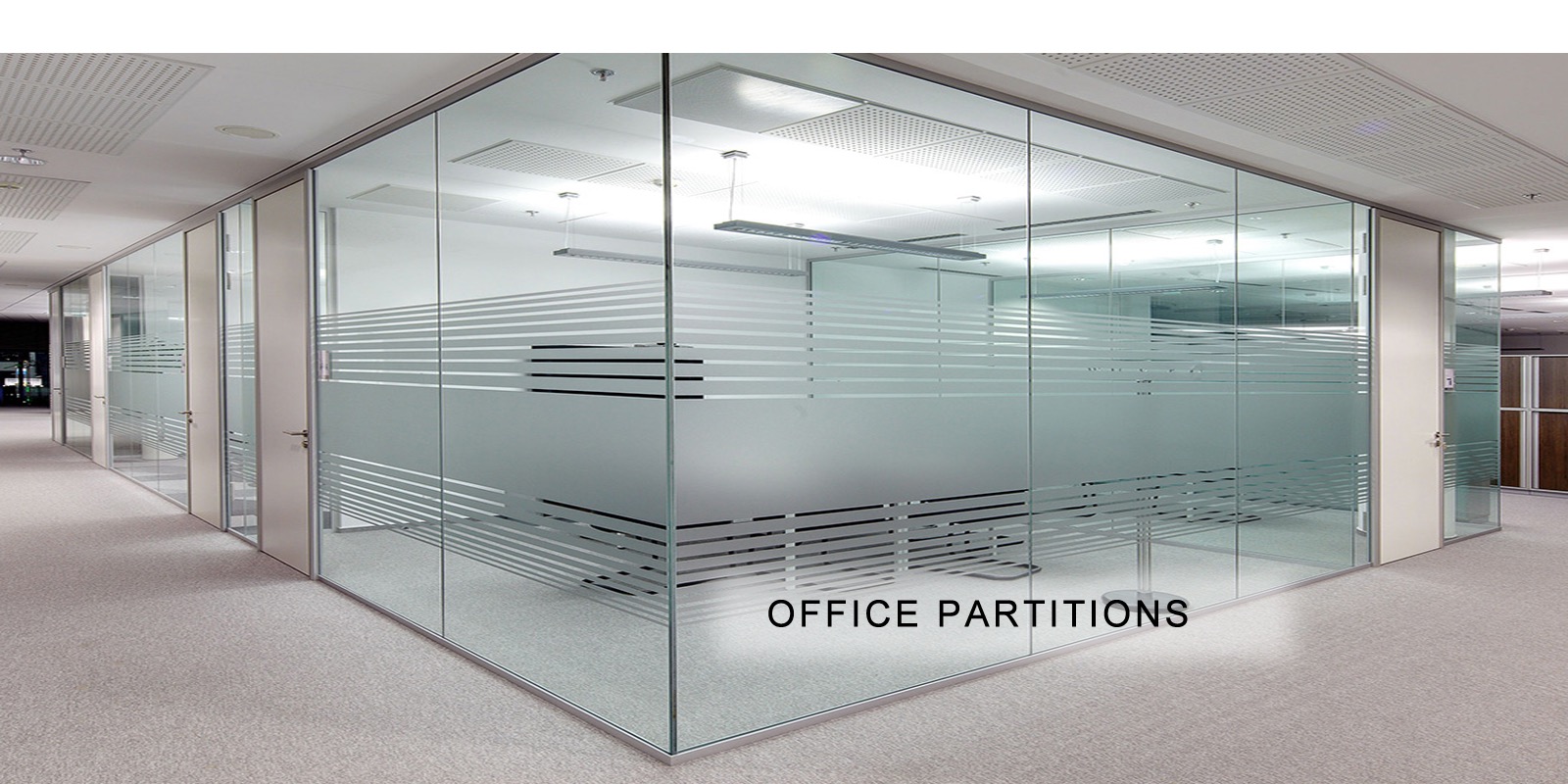
These granules are highly unlikely to cause severe lacerations, which is why structural engineering and safety regulations in Kenya dictate its use in high-traffic zones, commercial office partitions, and low-level glazing.
Annealed Glass Breakage:  [ ─── / ─── \ ─── ]  --> Sharp, dangerous shards
Toughened Glass Breakage: [ ···· ···· ···· ]  --> Small, blunt, pebble-like granules
Local Applications: Where Safety Meets Modern Architecture
In the Kenyan building sector, specifying the right glass thickness and type is essential for compliance and long-term durability. Certified processing plants ensure that these strict thermal stress thresholds are met, giving local contractors peace of mind.
Because of its high resistance to thermal shock and mechanical impact, toughened glass is non-negotiable for specific installations across Nairobi and its satellite towns:
- Frameless Glass Double Doors: Essential for commercial storefronts in Westlands or CBD hubs to withstand constant daily usage.
- Balustrades & Balconies: Providing structural safety for multi-story residential apartments in Ruiru, Juja, and Kikuyu without obstructing views.
- Modern Shower Cubicles: Withstanding rapid temperature fluctuations from hot showers without cracking.
When planning your next residential or commercial project, viewing glass as a structural safety element rather than a simple cosmetic finish ensures your building remains both breathtakingly modern and fundamentally secure.